Partnerships and International Cooperation

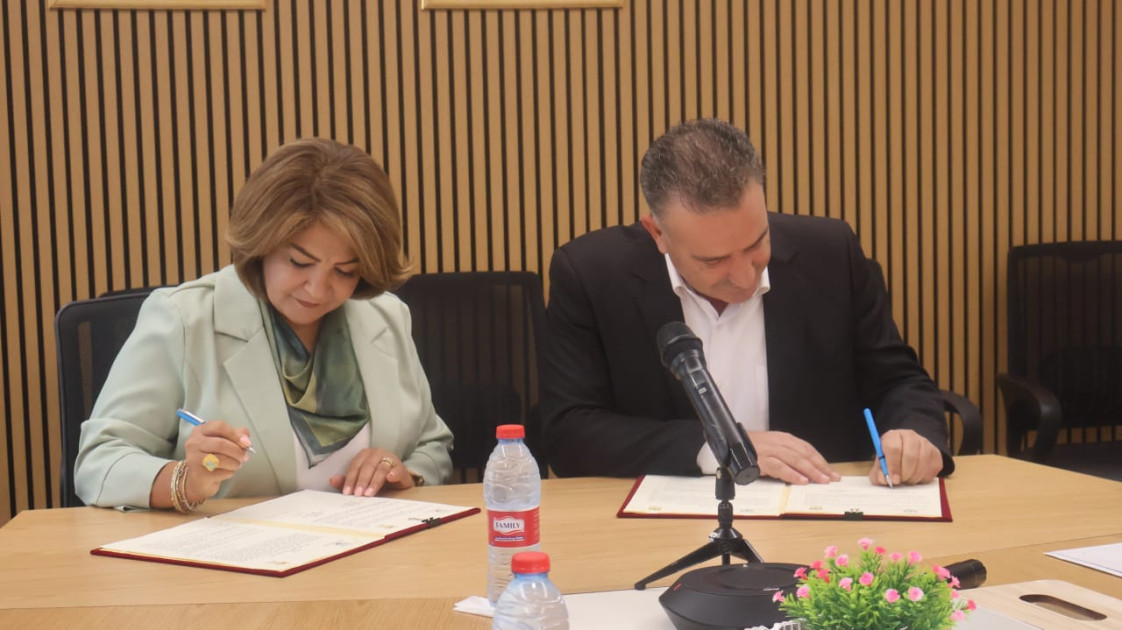
Throughout 2025, APLA continued to consolidate international partnerships and decentralised cooperation as a conscious strategic choice that is not limited to the developmental dimension, but rather integrates political representation and advocacy for Palestinian rights with building the capacities of LGUs and strengthening their resilience in the fields of governance, recovery, and sustainable development. This approach was reflected in an integrated and progressively advancing track that included the conclusion of strategic agreements with international municipal associations, expansion of decentralised cooperation, and influential presence in international urban hubs. It also involved institutionalisation of the twinning programme within APLA as a practical and systematic framework that is measurable, developable, and scalable, enhancing the position of Palestinian LGUs as active partners in the international municipal sphere.
Strategic Agreements and Alliances
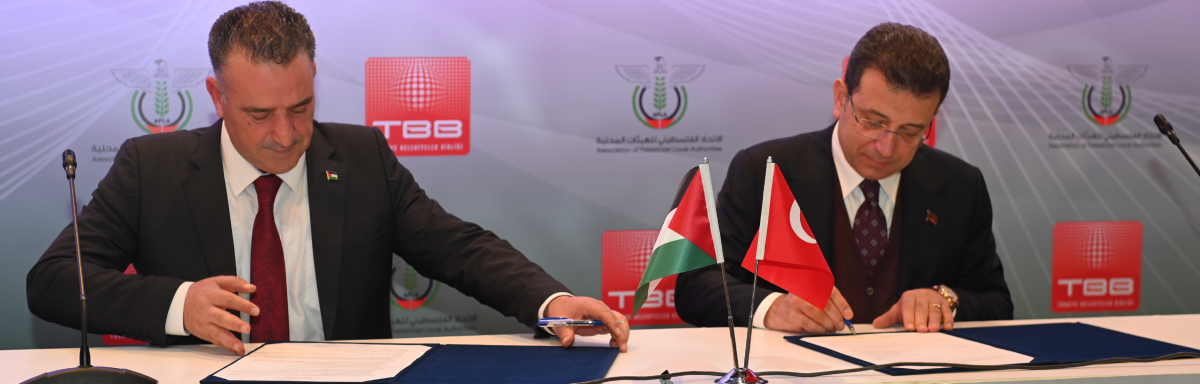
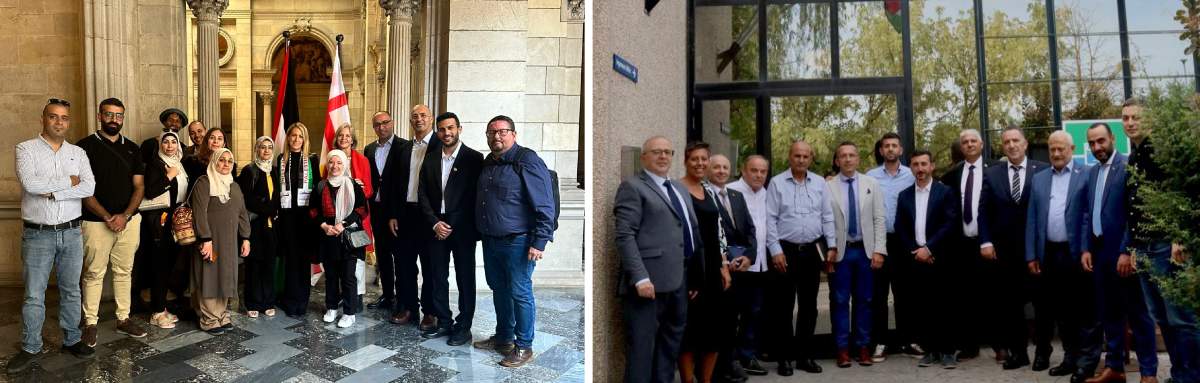
APLA consolidated its institutional partnerships through long-term agreements and alliances aimed at institutionalising cooperation, exchanging expertise, and developing joint programmes that go beyond symbolic support.
Key agreements:
|
|
|
|
Decentralised Cooperation and Twinning
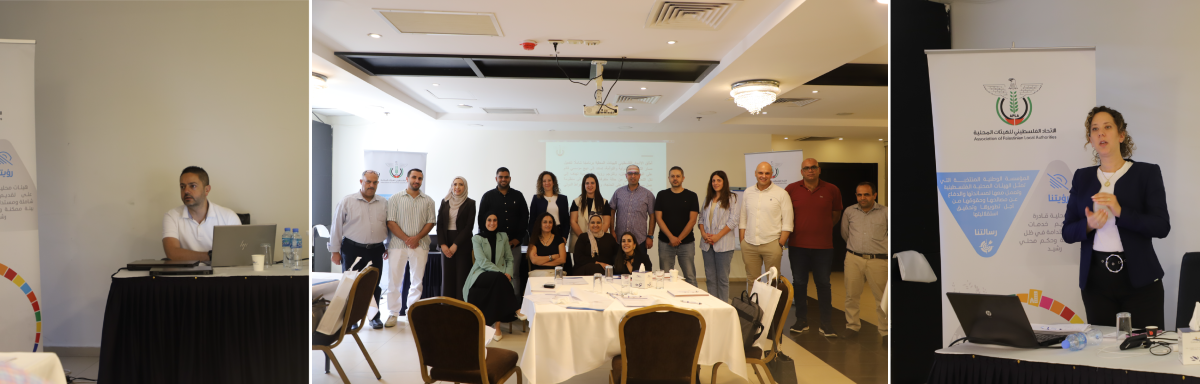
During 2025, APLA worked towards institutionalising decentralised cooperation as an organised institutional pathway within a strategic orientation aimed at shifting from fragmented international relations to a clear national framework that leads international municipal cooperation and enhances the ability of Palestinian LGUs to benefit from these partnerships in line with their development priorities and institutional capacities.
This approach was based on viewing decentralised cooperation as a practical tool for capacity building, exchange of expertise, and promoting the international presence of LGUs, rather than merely as protocol or symbolic relations. Accordingly, APLA focused on establishing the institutional and organisational foundations that ensure the sustainability of these partnerships and their direct linkage to local planning, the localisation of the Sustainable Development Goals, and the strengthening of LGU resilience.
Key Features of Institutional Work in 2025
|
|


International Presence and Municipal Advocacy
APLA strengthened its presence in international forums as a political and professional voice for Palestinian LGUs, linking local development with justice and the right to self-determination.
Key Milestones:
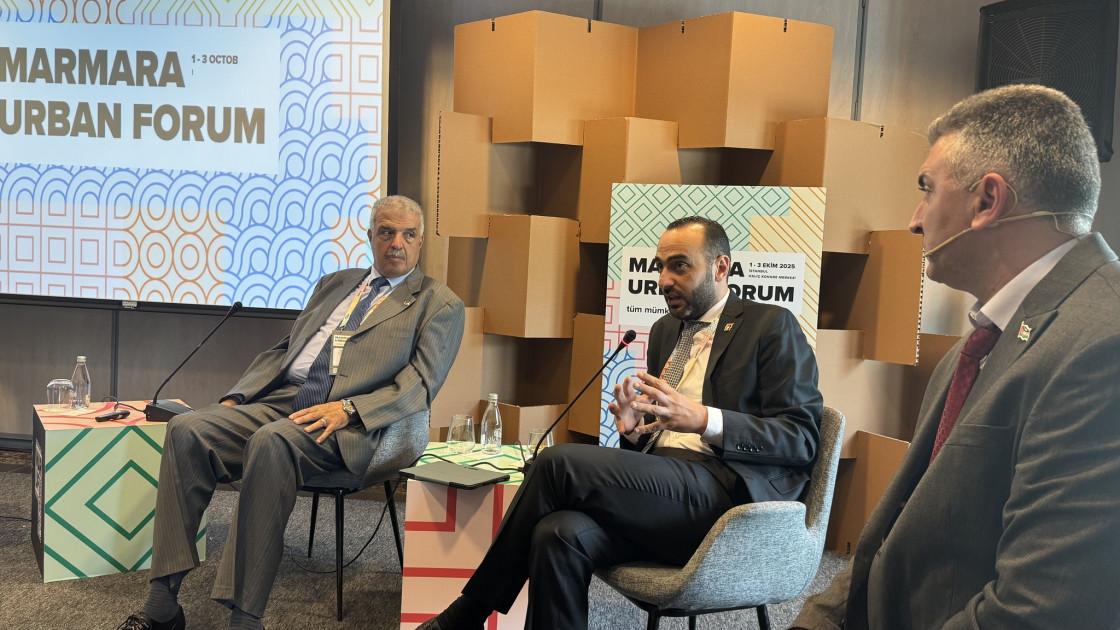 Strong Palestinian participation in the Marmara Urban Forum (MARUF25), which included:
- The Palestine Pavilion at the urban exhibition.
- Participation in the main forum session entitled “Cities in Times of War”.
- Organisation of a dedicated session entitled “Cities that Listen and Cities that Lead: Stories from the Palestinian Frontlines”.
- Participation in the meeting of municipal associations, which brought together municipal networks from Europe, Asia, and the Middle East.
- Participation in the “Liveable Cities” session through presenting the Palestinian experience in promoting transparency and accountability in LGUs as an entry point for good governance.
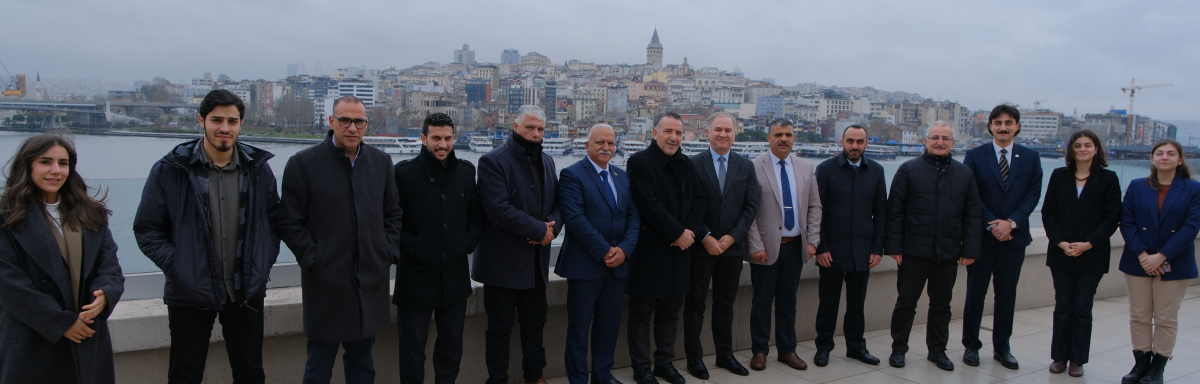
Organised a study tour to Türkiye to enhance transparency and community accountability, with the participation of 5 heads of LGUs.
Conducted an official visit to Italy under the LAND Project, which included:
|
|
|
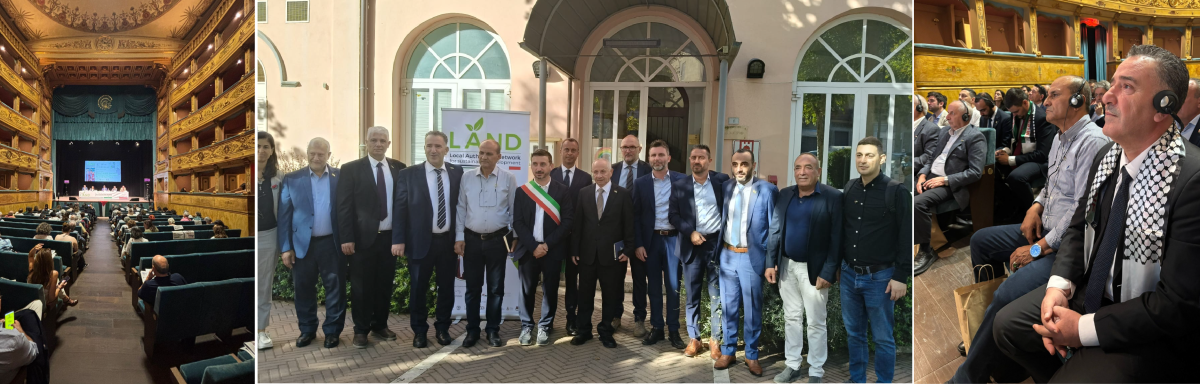
Organizing a study tour to Turkey to enhance transparency and community accountability, with the participation of five LGUs Mayors. 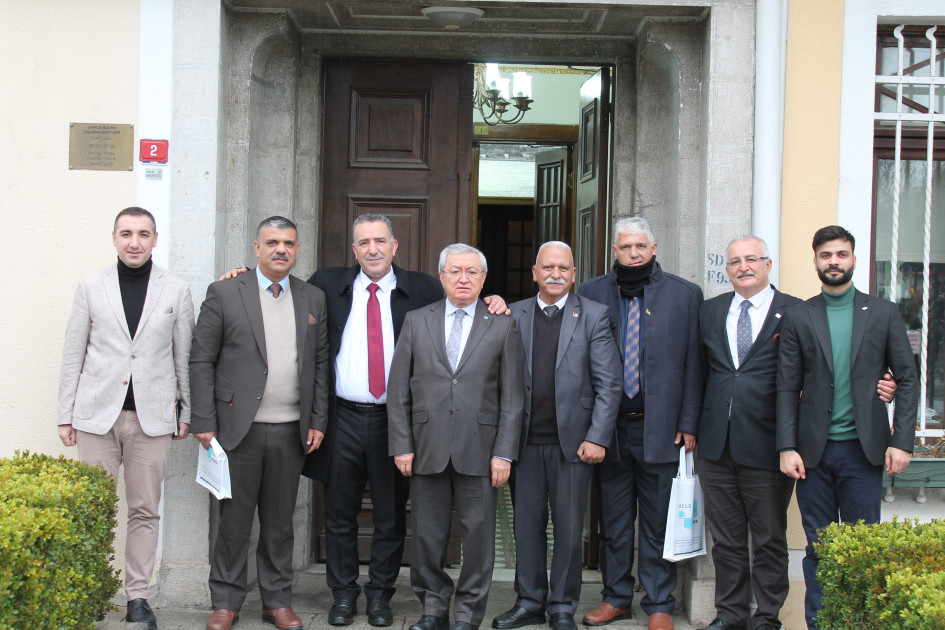 | Active participation in the conference “Sustainable Cities with an Arab Identity” in Cairo, positioning the Palestinian experience within its proper context. 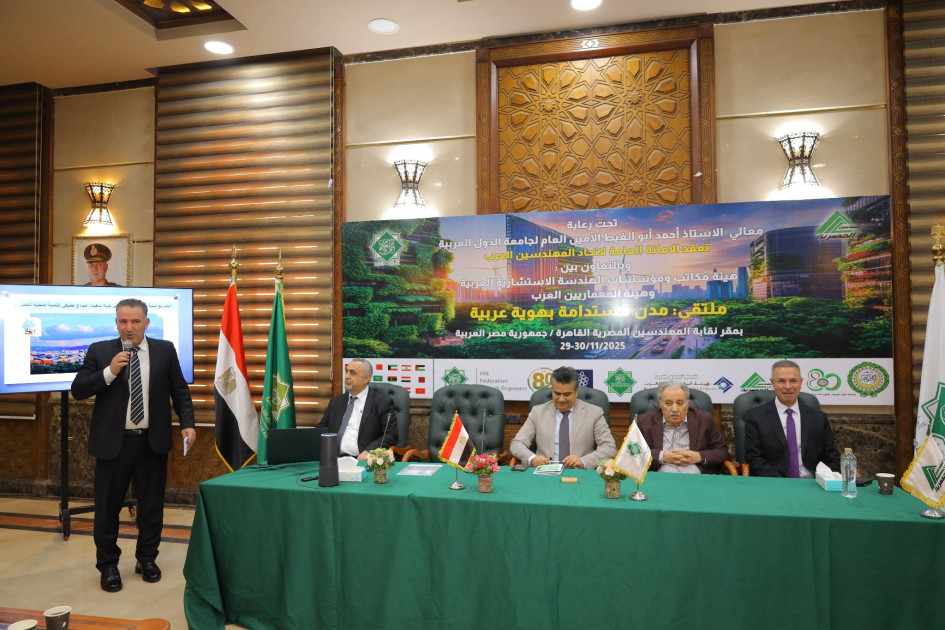 |
UCLG-MEWA | Institutionalising Palestinian Representation in Regional Leadership

2025 marked an advanced milestone in institutionalising Palestinian representation within United Cities and Local Governments – Middle East and West Asia (UCLG-MEWA), through attaining leadership positions that reflect the weight of Palestinian LGUs as well as their institutional and political role.
|
|
Representation in Figures
|
|
|
|
|
International Solidarity and Symbolic Initiatives
APLA activated tools of international solidarity as part of municipal diplomacy, linking symbolic action with political engagement.
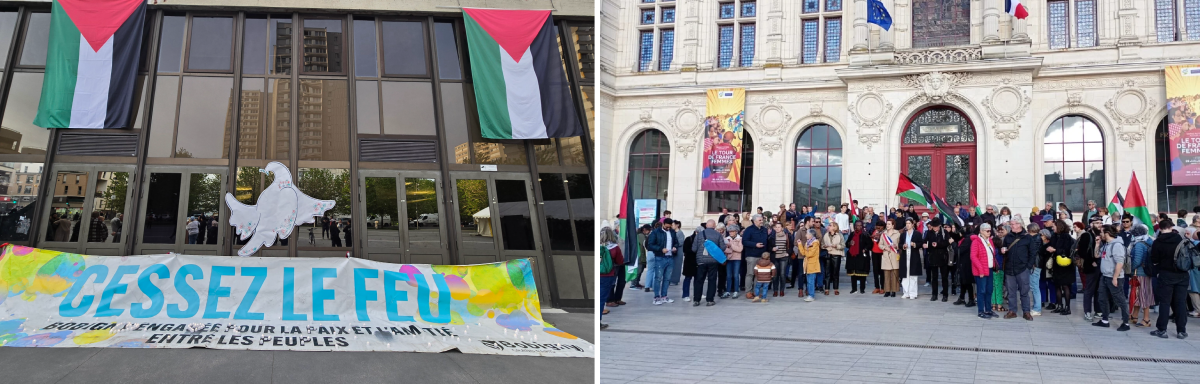
Key Initiatives:
- Launched the initiative “From Every French City… A Light for Palestine” with the participation of 11 French municipalities, within the framework of “Year of Palestine 2025”, as a political and moral message against the aggression.
- Continued to follow up on the “Year of Palestine 2025” initiative despite the cancellation by the occupying authorities of visas for a French municipal delegation comprising approximately 50 representatives.
National Partnerships and Institutional Diplomacy
In addition to international partnerships, APLA worked to strengthen integration with national institutions and diplomatic missions.
Developed an institutional partnership with the Palestinian Environment Quality Authority (PEQA) in environmental policy, planning, and capacity building.
| Held coordination meetings with the French Consulate to enhance support for LGUs in the northern West Bank and to develop a more equitable and responsive model of decentralised cooperation.
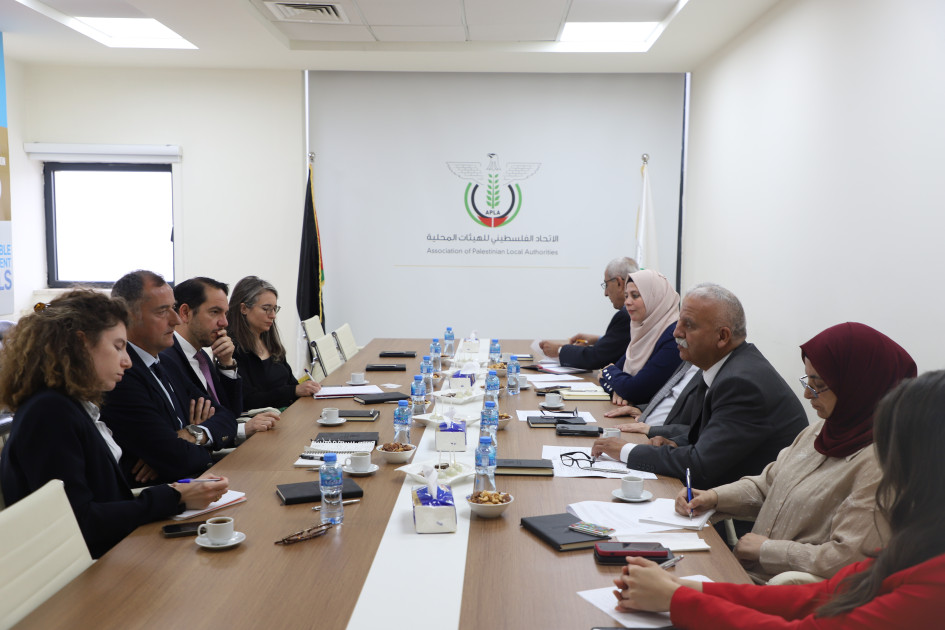
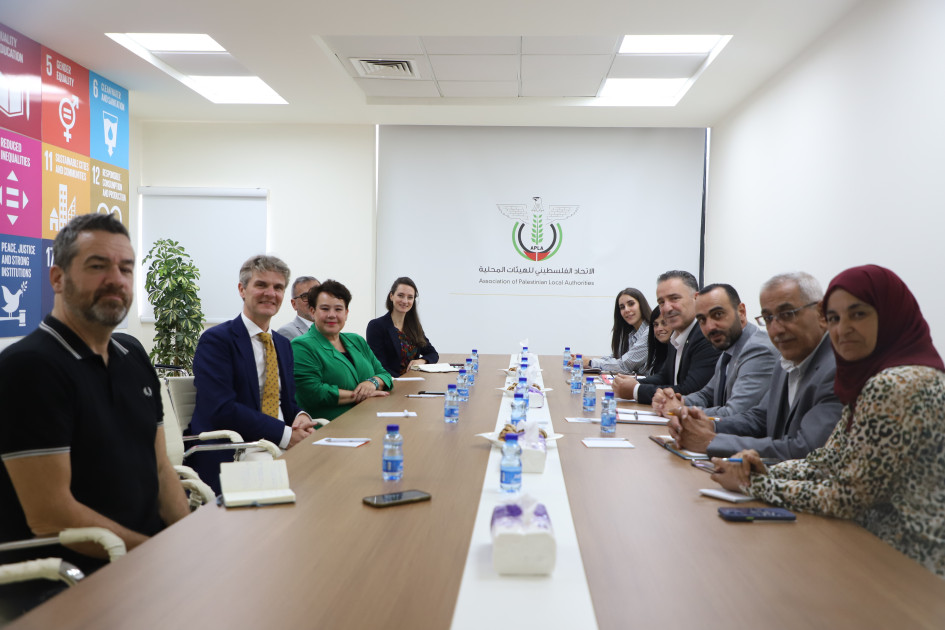
| Held high-level meetings with the Association of Netherlands Municipalities (VNG) to explore prospects for cooperation and the role of municipalities in recovery and political advocacy.
|