Local Development and Field Projects
 Local development and field projects were one of the most intensive and impactful tracks of the APLA operations, with 31 completed development projects implemented in villages and local communities. Mostly Area C, these were informed by an approach that viewed field projects as a tool for protecting presence, improving quality of life, and enhancing the capacity of LGUs to respond to the needs of their communities in a highly constrained environment.
These interventions were implemented as part of an integrated vision led by LGUs themselves. Combining service, environmental, economic, and social dimensions. they are tailored to strengthen everyday resilience and consolidate the role of local governance as a key development and community actor.
Track One: Developing Public Spaces as an Entry Point for Protecting Presence
As an essential component for sustaining daily life and preventing displacement, APLA focused on supporting projects that would restore the value of public space in restricted villages. These interventions were based on the conviction that providing functional and safe public spaces is a necessary condition for the continuity of local communities, particularly in areas suffering from a severe shortage of public facilities and services.
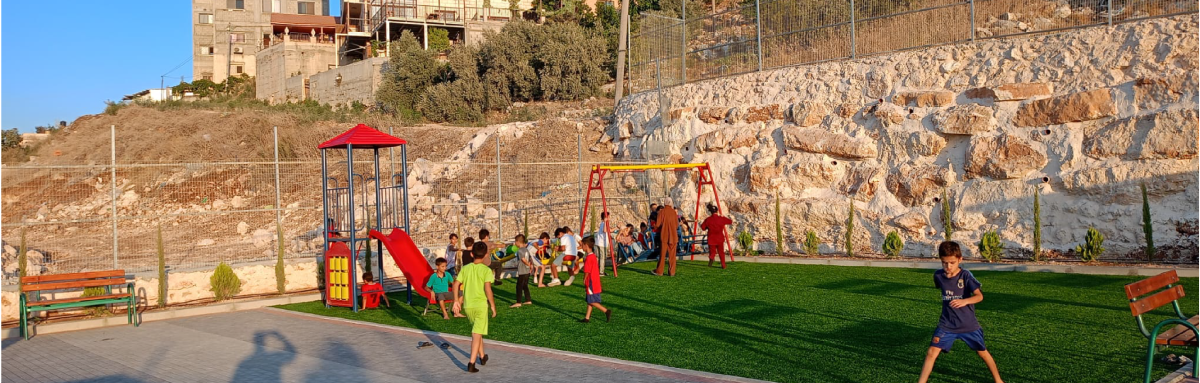
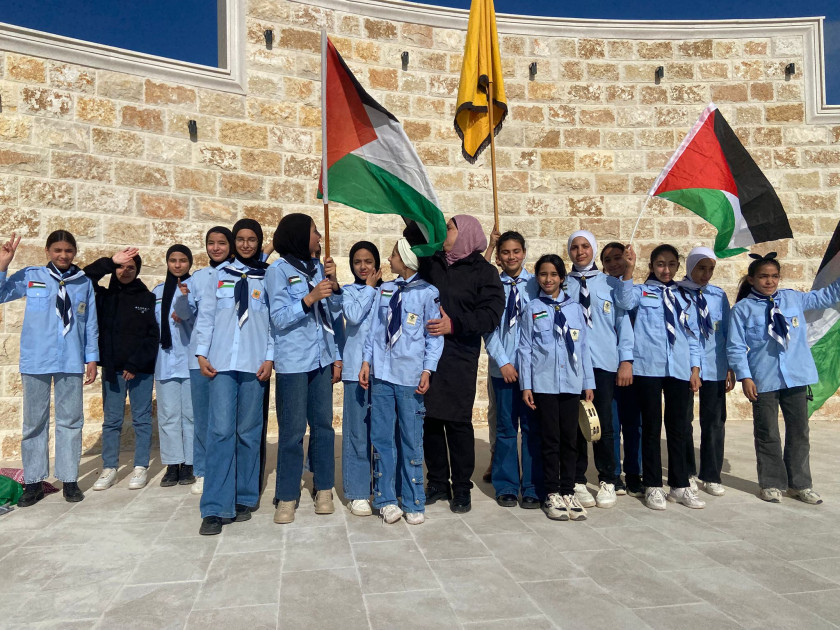
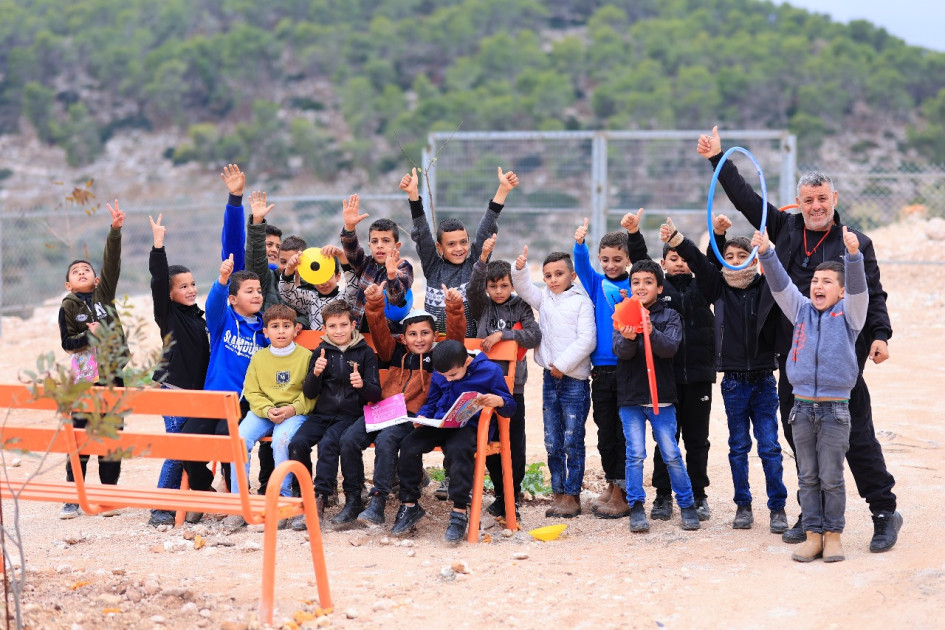
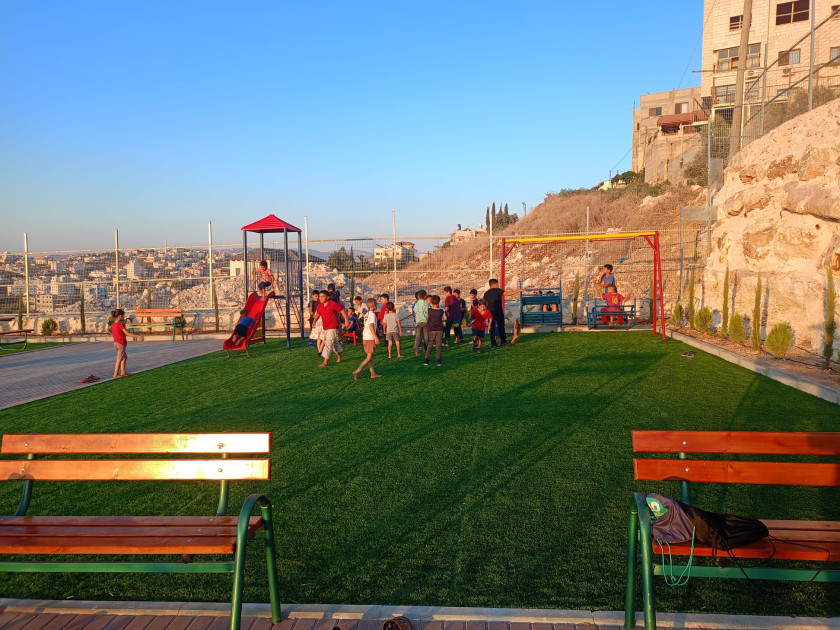
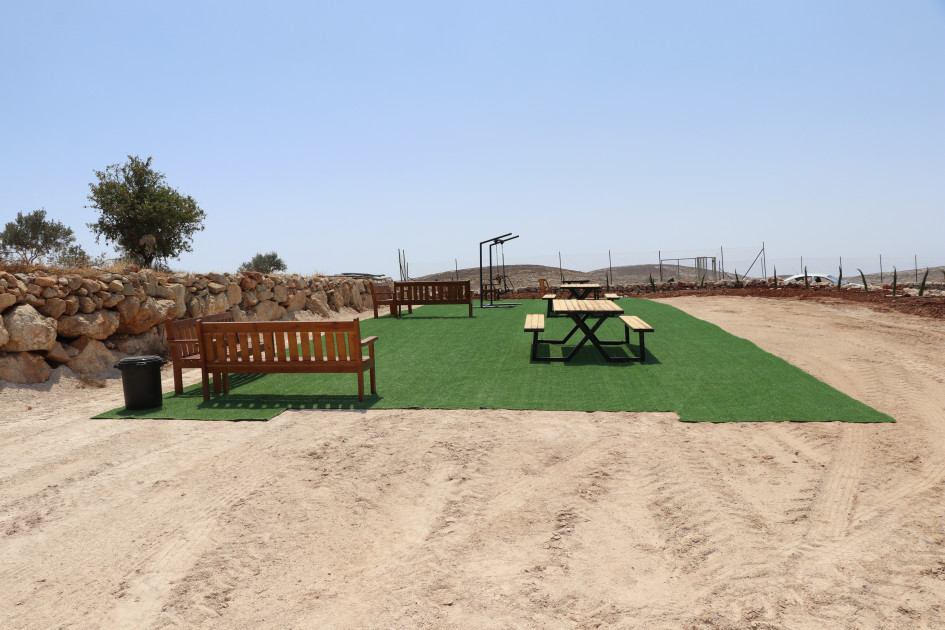
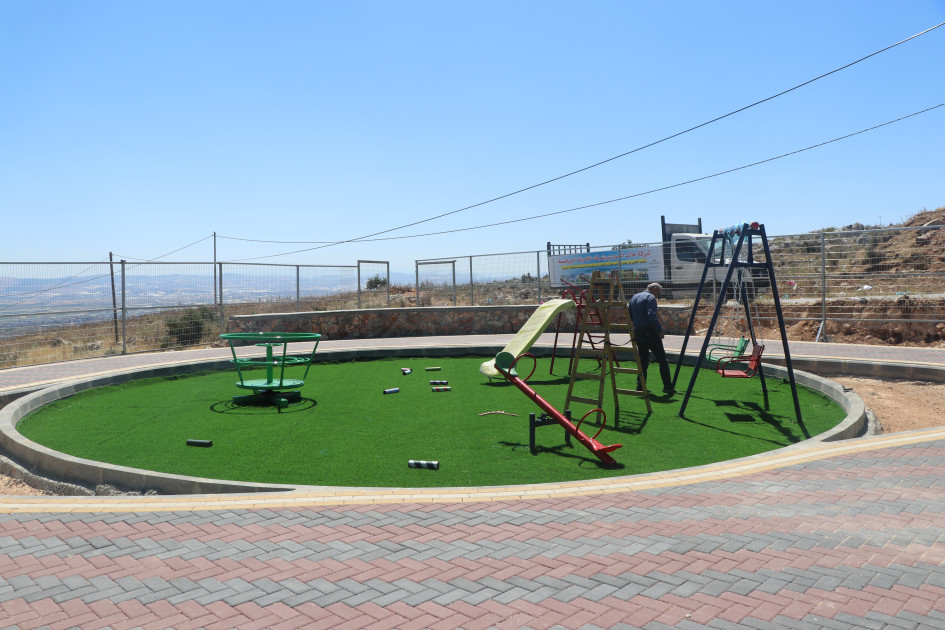
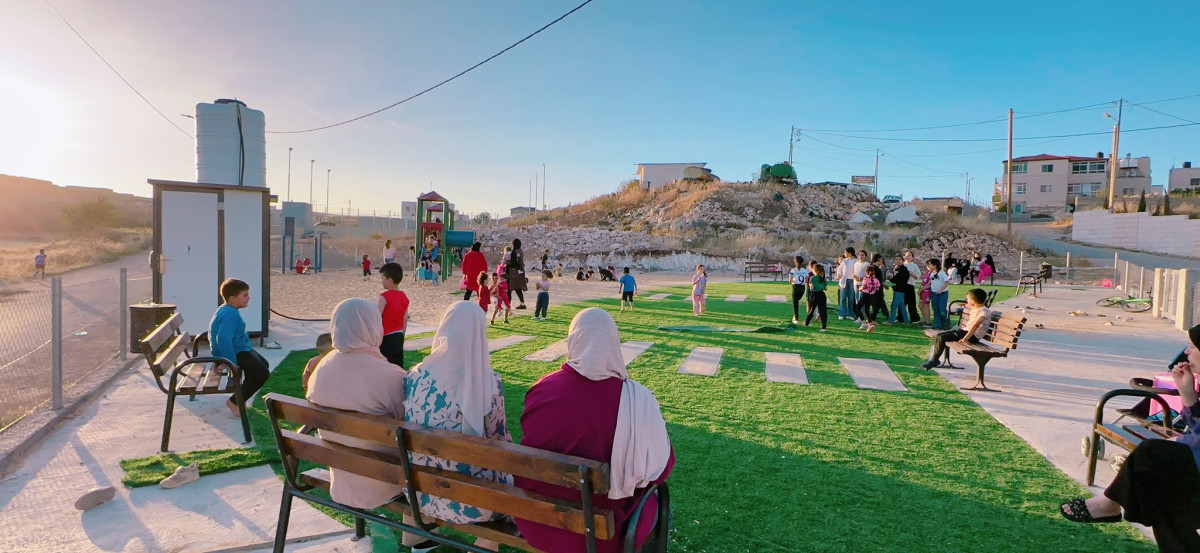
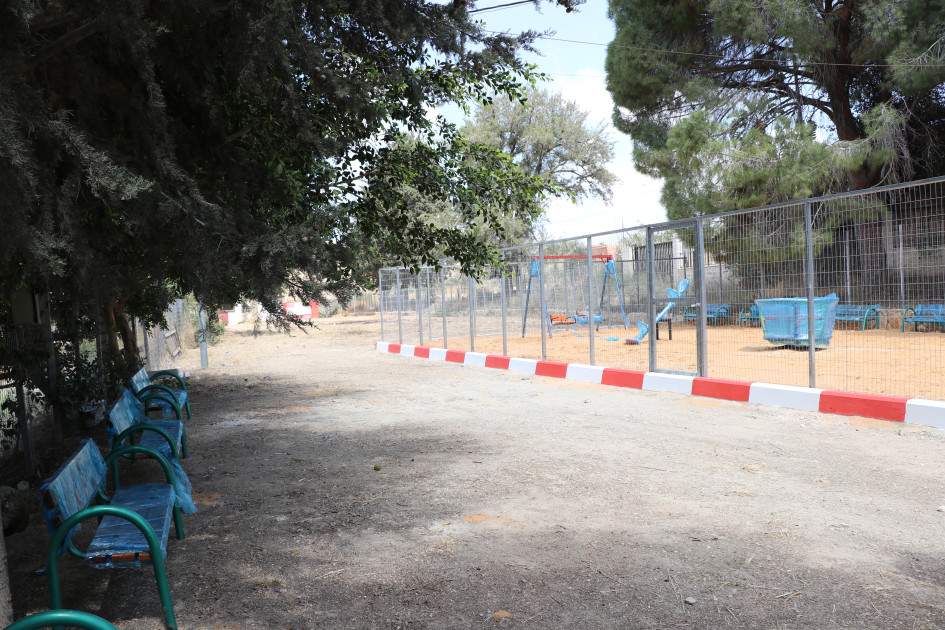
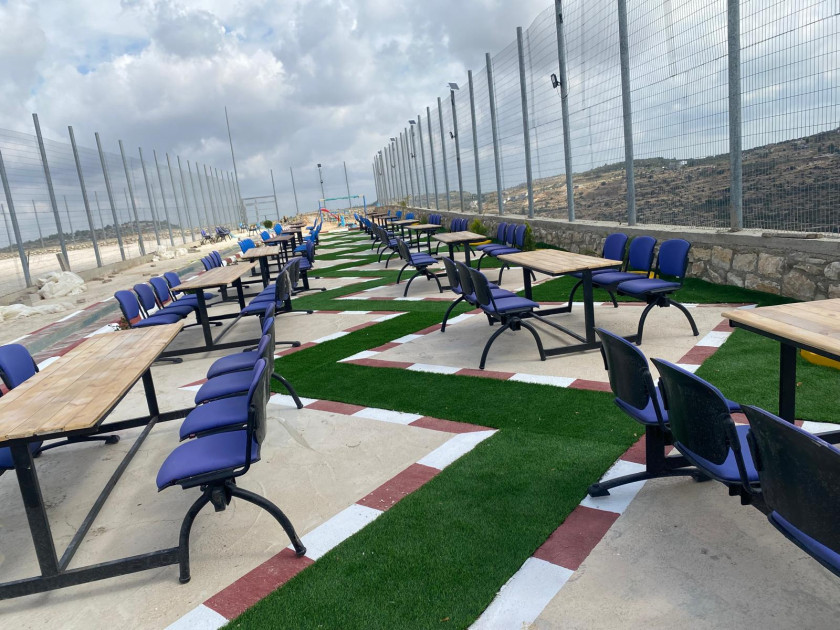
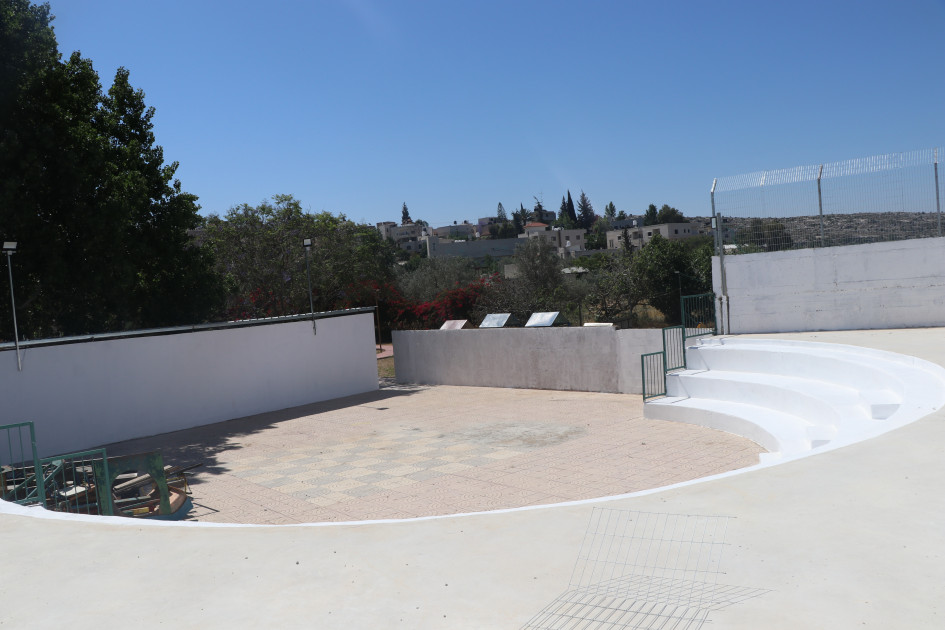
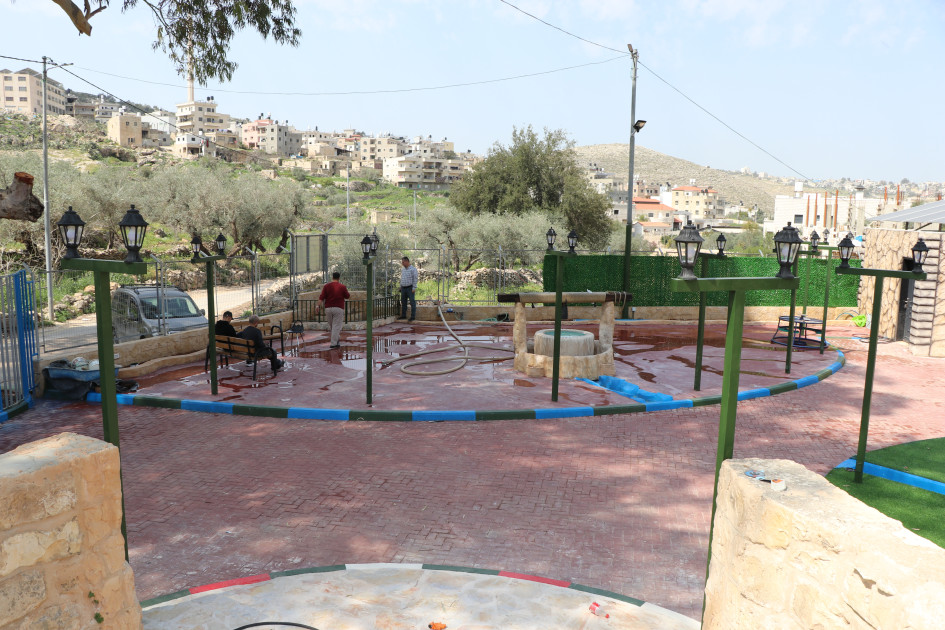
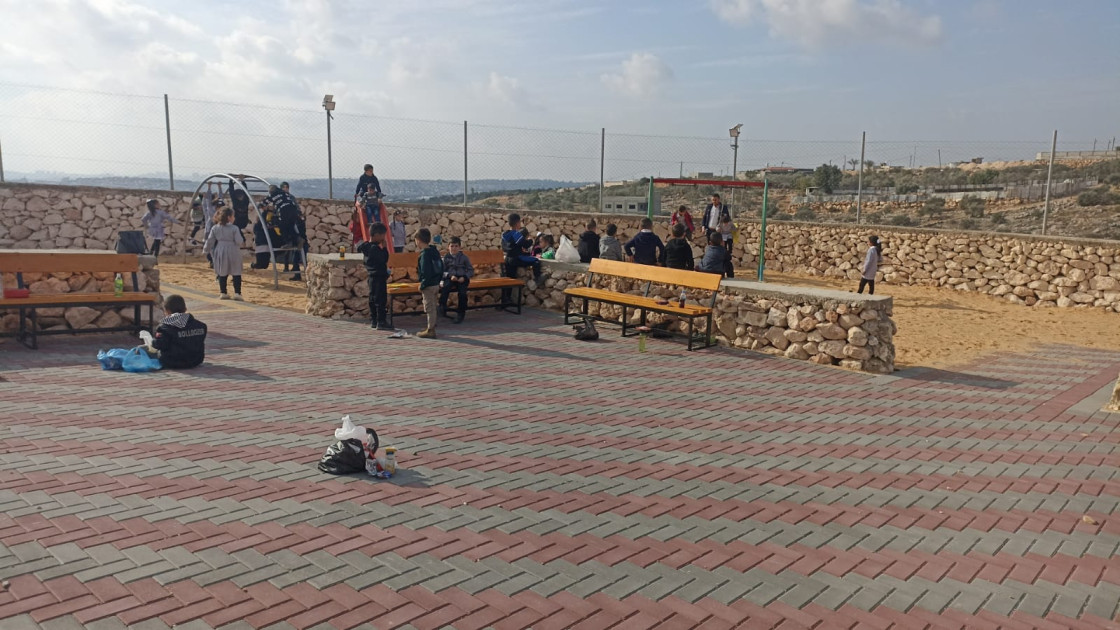
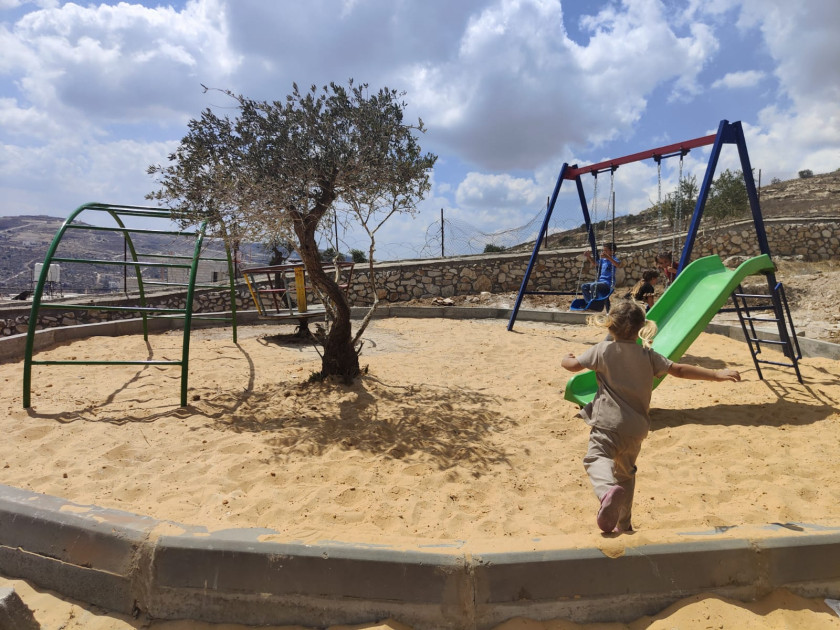
These projects included the establishment and rehabilitation of public squares, gardens, and parks, designed to serve as inclusive spaces for different age groups and to provide an environmental and social outlet that enhances community interaction and reintegrates public space into the daily usage patterns of residents.
Impact Indicators
Area of rehabilitated parks and open spaces: more than 20,000 square metres | Number of villages benefiting from new or rehabilitated public facilities: 15 |
Qualitative Results
- Strengthened social cohesion and expanded opportunities for social interaction within targeted villages.
- Improved equitable access to public spaces, especially for children, women, and older persons.
- Reintegrated public space as part of daily life, rather than as a marginal or seasonal facility.
List of Projects:
Public Park Construction project – Faqqu’a Village Council
| Public Park Rehabilitation project – Deir Abu Da’if Village Council
|
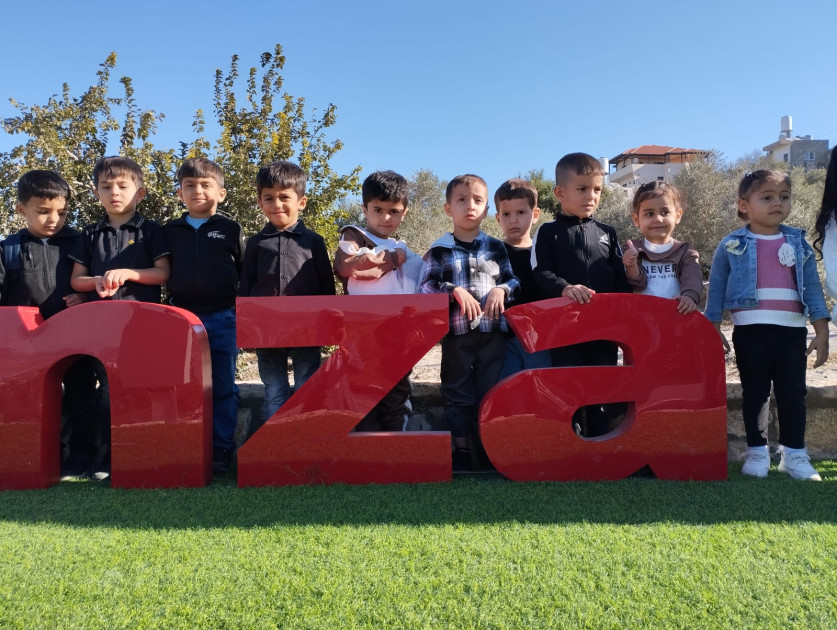
Public Park Construction project at the village entrance – ‘Anza Village Council
| Recreational Park Construction project – Far’un Village Council
|
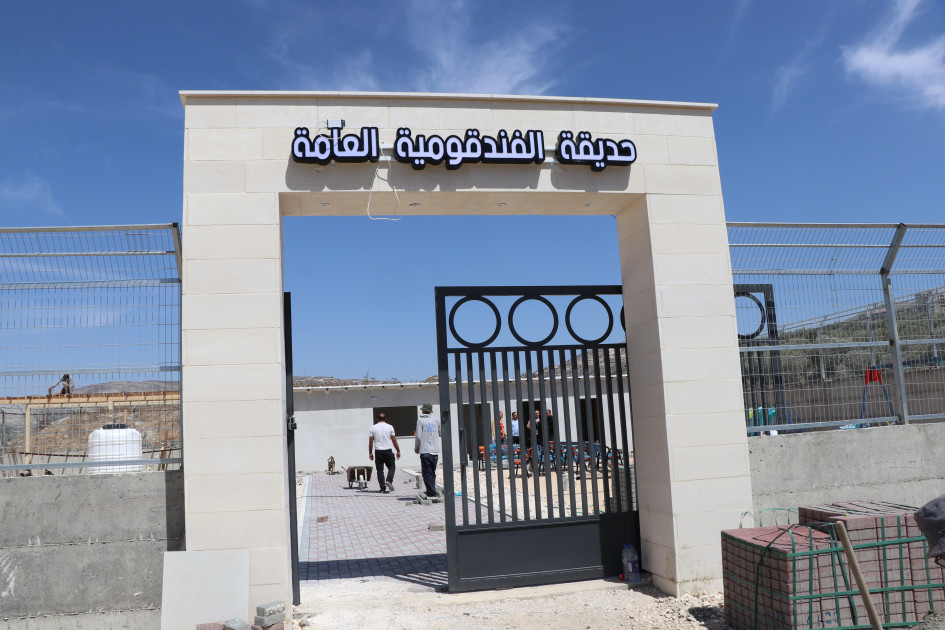
Public Park Construction project – Al-Fandaqumiya Village Council
| Children’s Park Construction project – Al-Mughayyir Village Council
|
Public Park Construction project – Al-Tayba Village Council
| Youth Facilities and Public Park project – Qalandiya Village Council
|
Al-Mas’udiya Park project – Burqa Village Council
| Public Park Construction project – Beitillu Village Council
|
Children’s Park Rehabilitation project – ‘Abud Village Council
| Public Park Construction project – Shabtin Village Council
|
Children’s Park Construction project – Al-Dab’a Village Council
| |
Development of Huwwara Municipal Park project – Southern Nablus Cluster
| Development of Ni’lin Municipal Park – Western Ramallah Cluster 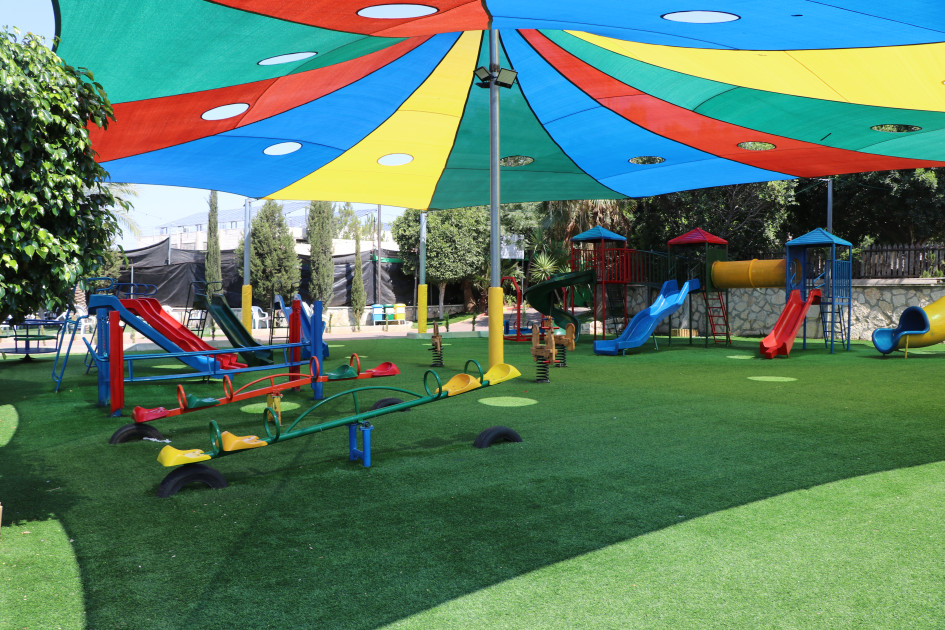 |
Track Two: Environmental Projects Addressing Chronic Challenges and Producing Sustainable Solutions
APLA implemented a set of environmental projects that moved beyond temporary problem-solving approaches towards building sustainable models for resource management at the local level. These interventions placed a special emphasis on organic waste management, improving the urban landscape, and linking environmental awareness to the daily services provided by LGUs.
Impact Indicators
| Number of environmental projects implemented: 3 | Number of sites where sustainable sorting or treatment models were activated: 2 | Number of educational institutions and public facilities taking part in supporting environmental programmes: 8 |
Qualitative Results
- Reduced the environmental impact of waste and improved public health.
Transformed environmental challenges into opportunities for local production and - support to the agricultural economy.
- Strengthened the culture of environmental management within LGUs and communities.
List of Projects:
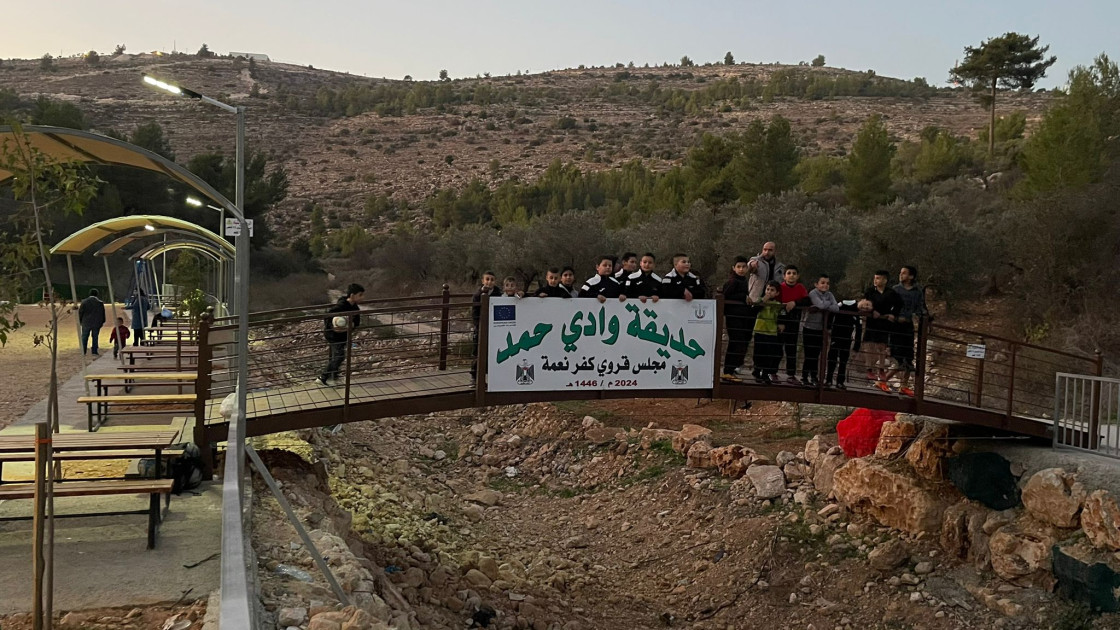
Rehabilitation and Revitalisation of Wadi Hamad “The Land is Ours” project – Kafr Ni’ma Village Council
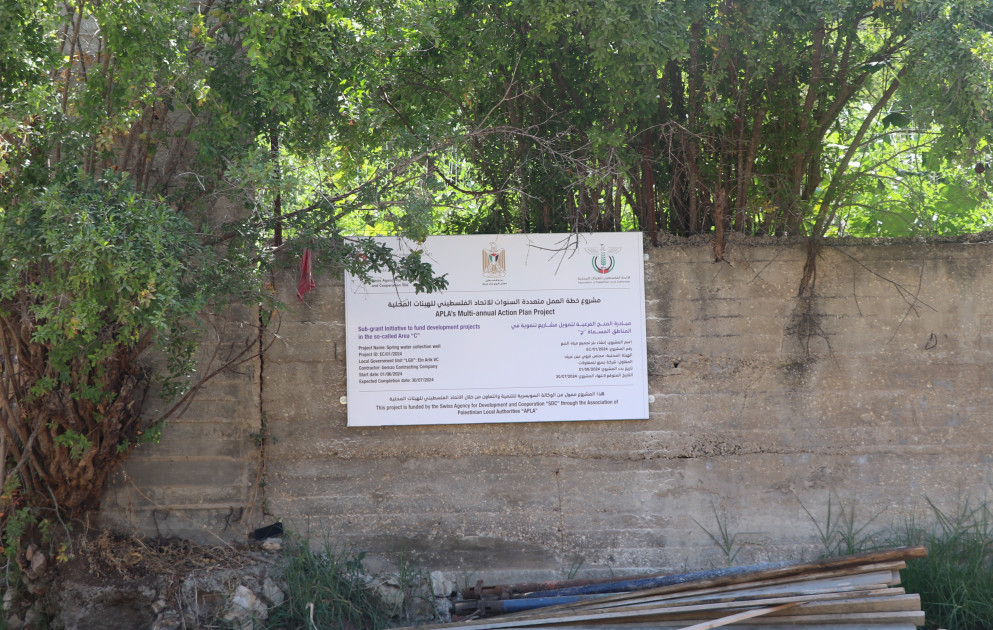
| Spring Water Collection Well Construction project – Ein ‘Arik Village Council
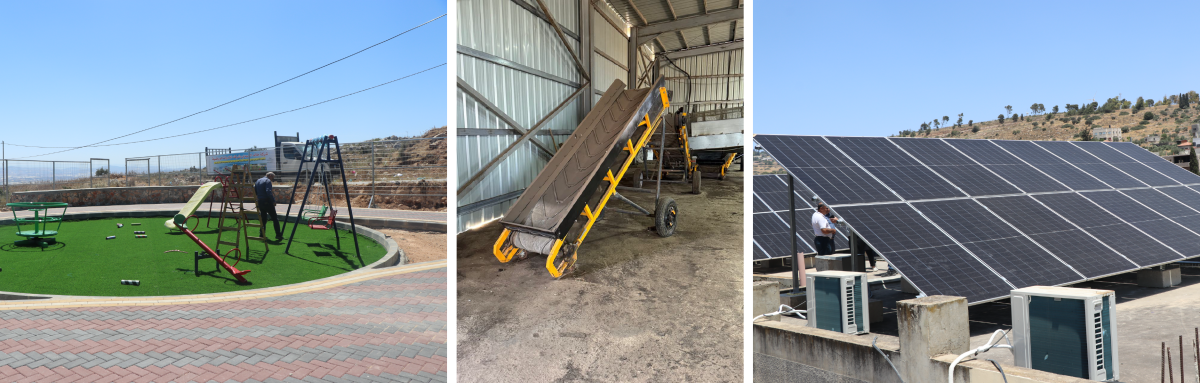
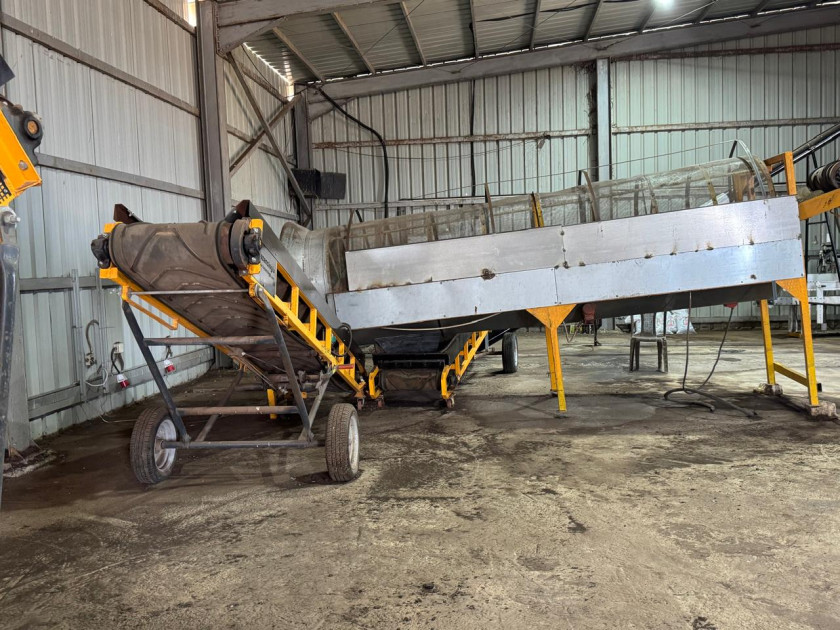
| Improving Organic Waste Management and Activating the Organic Composting Plant project – Southern Nablus Cluster
|
Track Three: Renewable Energy and Water as a Leverage for Service Stability
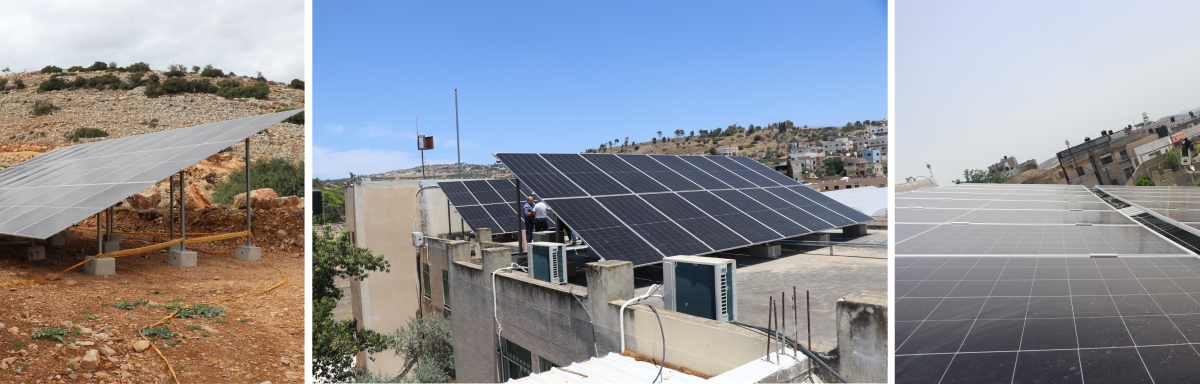
As part of its efforts to enhance the stability of basic services, APLA supported solar energy projects dedicated to operating vital facilities, particularly water wells, with a view to reducing the financial burden on LGUs and citizens and limiting dependence on unstable energy sources.
Impact Indicators
| Number of solar energy projects implemented: 5 | Total installed energy capacity (kW): 220 kW per hour | Number of water facilities operated by renewable energy: 2 |
Qualitative Results
- Improved continuity of water and energy services.
- Reduced operational costs for LGUs.
- Supported local agriculture and strengthened water security in targeted villages
List of Projects:
- Solar Energy Station Construction project (50 kW) – Ijnisinya Village Council
- Solar Panel Installation project for an artesian well – Sinjil Village Council
- Solar Energy Station Construction project (50 kW) – Tayasir Village Council
- Solar Energy project for a water well – Jalbun Village Council
- Solar Energy Station Construction project – Kafr Sur Village Council
- Public Water Reservoir Rehabilitation project – Sikka and Tawas Village Council