Representing and Advocating for the Position of LGUs in the National Project
Strengthened the Political Presence of LGUs at the National Level
Consolidated the position of LGUs as an integral part of the national project, and as a political partner in discussions on resilience, elections, and democratic legitimacy, rather than merely service delivery bodies.
The Reality at a Glance
445 LGUs
Financial crisis | fewer resources and increased pressure
Operational crisis | disruption and delays in services
Decline in trust | a trust gap that weakens responsiveness
APLA's work stream in 2025
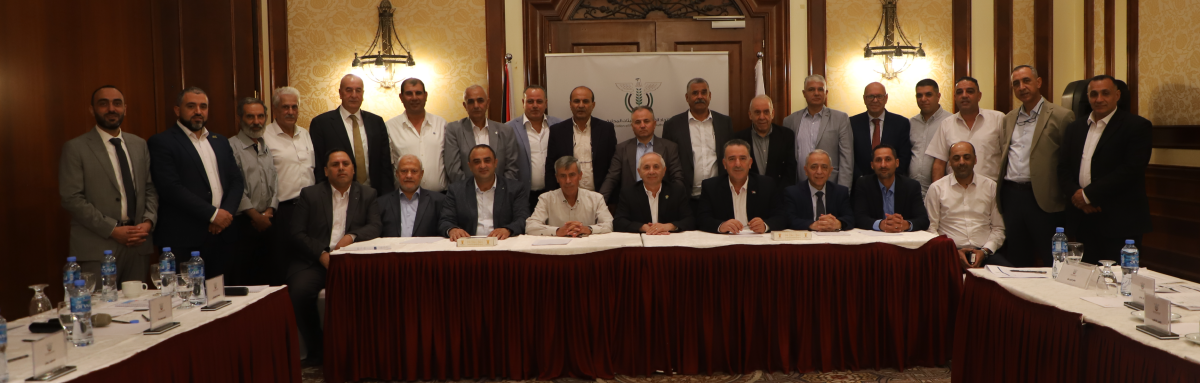
Organised the Mayors Forum as a unified political platform for mayors, to consolidate the position of local governance at the heart of the national debate on resilience, elections, and democratic legitimacy.
Formulated a unified political position submitted to the leadership and the government, affirming that LGUs are not merely service provision bodies, but a political partner in managing the transitional phase and beyond.
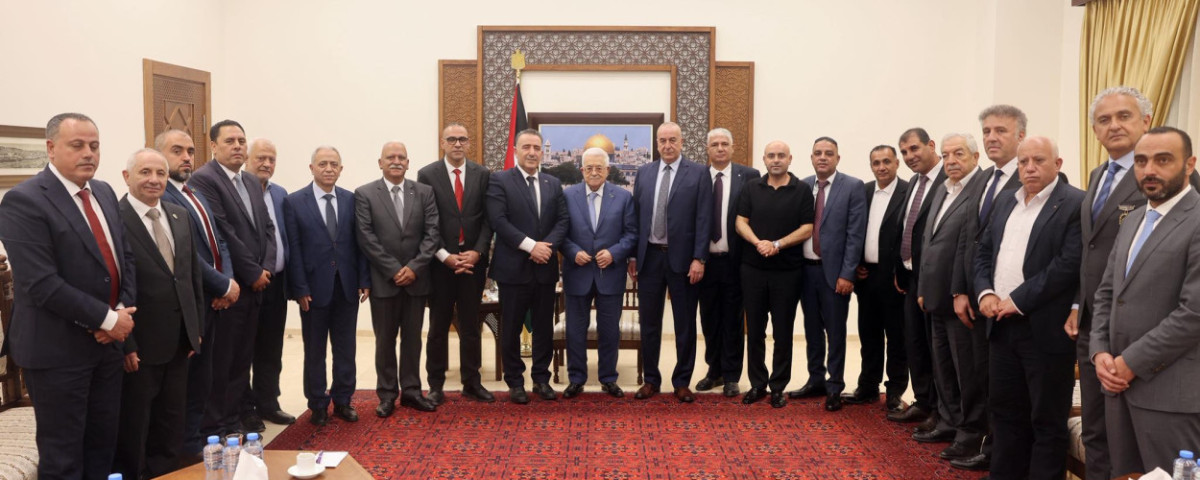
Organised an official meeting with President Mahmoud Abbas, placing LGUs at the centre of the discussion on the continuity of services, protection of the municipal system, and role of elections in rejuvenating local democratic legitimacy.
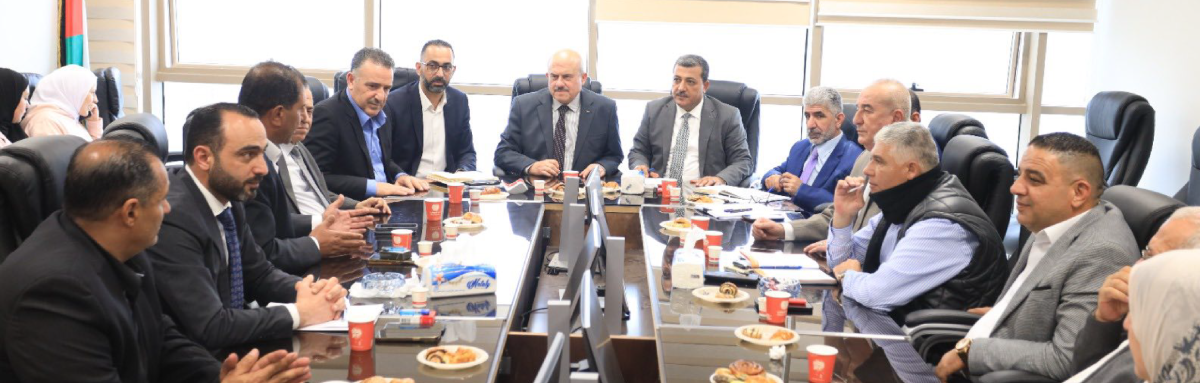
A series of meetings and encounters with government institutions to present and discuss the priorities of LGUs.
Incorporated local governance issues more clearly into donor and government sector discussions within the Local Government Sector Working Group, recognising the stability of LGUs as a fundamental element in resilience and recovery plans.
Treated Association of Palestinian Local Authorities (APLA) as a representative reference in major policy files (elections, fiscal relations, decentralisation), rather than solely as an implementing partner for projects.
Managing the Relationship with the Government and Advocating for the Sustainability of LGUs
Transformed the daily pressures faced by LGUs into a clear institutional position that defended their financial stability and rejected the treatment of LGUs as the weakest link in crisis management.
APLA’s Advocacy Track in 2025
Addressed clear demands to the government, including: o Ensuring LGU financial stability and rejecting the use of financial pressure as a tool of political management. o Expanding effectively the collection of property tax for the benefit of LGUs. o Reviewing clearance procedures and net lending, and separating electricity and water accounts from other municipal accounts. o Reviewing centralised procedures that hinder decentralisation and limit the ability of elected LGU councils to make decisions.
Held an expanded meeting of the Executive Committee with the Minister of Local Government and the Undersecretary of the Ministry of Local Government (MoLG), focusing on the impact of the war on Gaza and the escalation of attacks in the West Bank on infrastructure and the financial capacity of LGUs, particularly in the most affected governorates (Jenin, Tulkarm, and Tubas).
Issued official statements, in which APLA warned against practices of fund freezing, project suspension, and punitive measures against mayors, considering these as a direct threat to the sustainability of LGUs and the provision of services to citizens.
Put forward the demand to adopt a rescue and recovery plan for the most affected governorates, ensuring the minimum level of essential services and supporting the resilience of LGUs.
Influencing the Elections Law and the Local Legislative Process
Established APLA as a professional reference in discussions on the Law governing the election of LGU councils, linking legislation to institutional stability and the continuity of the operation of elected councils.
Legal and Political Context
A draft Law by Decree on the Election of LGU Councils of 2025 proposed amendments affecting the mechanism for electing the heads of LGU councils, stability of councils, and representation of women and youth.
The continued multiplicity of legal references and regulatory frameworks of local governance (Law No. 1 of 1997, staff regulations, regulation for heads and members of councils, waste management regulations, etc.) created gaps between legal provisions and the requirements of effective local governance.
APLA’s Advocacy Track in 2025
Prepared an analytical legal review of the draft Law by Decree on the Election of LGU Councils of 2025, including a review of provisions related to the method of electing heads of LGU councils, continuity of councils, representation of women and youth, and linking these to the stability of the municipal system and local legitimacy.
Formulated a detailed position paper on behalf of APLA, presenting a balanced critical analysis: welcoming provisions that enhance public participation and the representation of women, while identifying risks to LGU council instability, the mechanism for electing the heads of LGU councils, and potential creation of fragile councils prone to repeated dissolution.
Transformed the position paper into a structured follow-up process rather than a one-off intervention, through: o Circulating the legal observations to, and opening an internal dialogue with, member LGUs to develop a unified position. o Incorporating APLA’s observations as a professional reference reflecting the needs of LGUs in any final drafting of the law. o Coordinating the position with key partners (the MoLG and international actors working on the sector reform) to ensure alignment of the proposed amendments with the broader reform process.
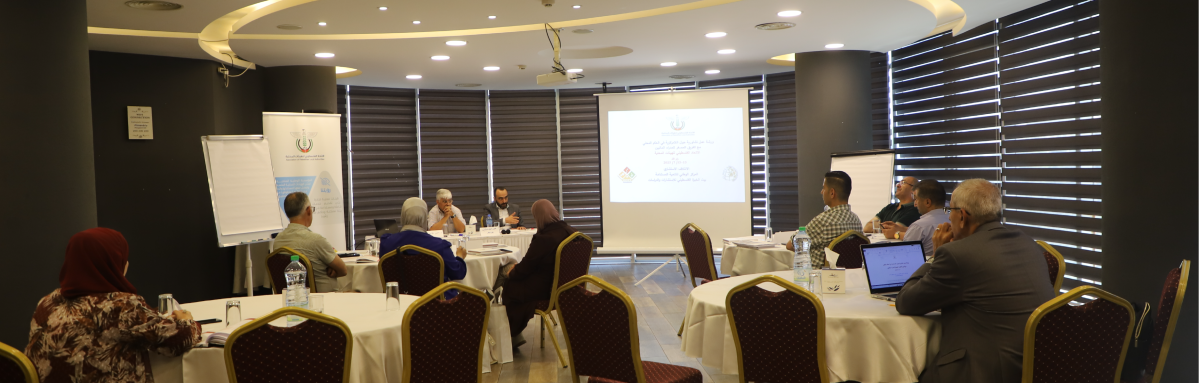
Held a consultative meeting for LGUs in the Jerusalem governorate, linking the draft elections law to the specific legal and political context of the governorate and reaffirming the need to safeguard the role of LGUs in Jerusalem within any legislative amendments.
Linked the discussion on the elections law to a broader review of the legal framework governing local governance (Law on Local Government Units No. 1 of 1997, LGU Staff Regulation, and Regulation on Heads and Members of LGU Councils).
Indicators of Progress in the Legal Track
Conducted a comprehensive review of local governance powers under Law No. 1 of 1997, resulting in the classification of 81 powers into clear categories: supervision, approval, decision-making, and coordination. This has paved the way for a more precise discussion on who holds decision-making powers in each function.
Decentralisation and the Transfer of Powers: A Practical Approach from within the Municipal System
Transitioned from a general discourse on decentralisation to a structured technical and policy-level discussion, linking the transfer of powers to the actual financial and administrative capacities of LGUs.
APLA’s Course of Action in 2025
Actual practice of approximately 10–15 functions only out of 27 functions stipulated by law, due to financial, administrative, and organizational constraints and limited resources.
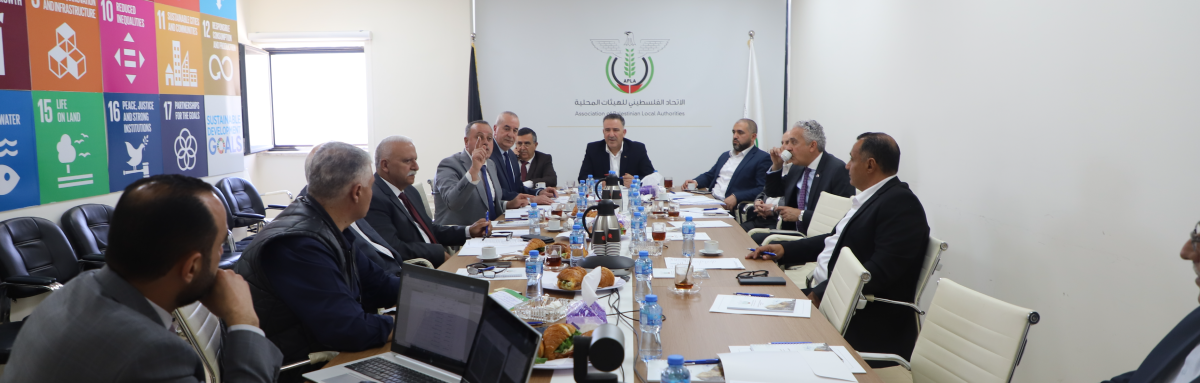
Led a structured technical discussion on decentralisation within the municipal system, through the Mayors Forum and the Financial Managers Taskforce, focusing on:
Linking the transfer of powers to the actual financial and administrative capacities of LGUs.
Reviewing progress in the national reform project in the local government sector from the perspective of exercising legally mandated functions, not solely from the perspective of legal provisions.
Launching a practical discussion on the possibilities of delegating certain centrally managed services (infrastructure services, investment, or specific local services) to LGUs, in line with their capacities and economic realities.
Aligned the outcomes of these discussions with the work of the National Decentralisation Team, to ensure that the voice of LGUs is reflected in designing a decentralised model suited to the Palestinian context, linking powers, resources, and responsibilities.
Institutionalising follow-up through specialised committees emanating from the Mayors Forum
Transformed major files (financial, legislative, and technical) from general demands into structured courses of action managed through committees with clear mandates, providing APLA with practical tools to continue advocating for the municipal system.
Specialised Committees and Areas of Work
The Administrative Committee decided, at the conclusion of the Mayors Forum, to establish six specialised committees to follow up on priority files with the government and partners, including:
o The financial relationship with the government.
o Telecommunications companies.
o Energy legislation.
o Water utilities.
o Electricity services.
o Crisis management in the most affected governorates.
Discussed detailed files such as the transfer of revenues from property tax (buildings and land), professional licence fees, transport fees and traffic violations, clearance and accounting mechanisms, and other financial rights of LGUs.
Shifting these discussions from the level of general complaints to the level of clear work plans, negotiation tracks based on data and figures, and regular follow-up mechanisms.