Home
Home
 Governance and Performance
 Enabling LGUs
 Representing, Lobbying and Advocacy

Executive Committee meetings and outcomes, 2024

In 2024, APLA Executive Committee played an active leading role in addressing the cumulative challenges, particularly in light of the ongoing Israeli aggression against the West Bank and Gaza Strip and consequent direct threat to LGU ability to continue to provide basic services. The Committee held regular meetings to follow up on developments, examine the most pressing issues, and discuss critical legislative and financial files, most notably: Professional tax, property tax, Draft Tourism Law, Regulation on Municipal Police, LGU courts, joint service councils, financial relationship between the government and municipalities, and challenges associated with the Public Procurement Law.
Driven by its representative responsibility, APLA has intensified its coordination meetings with the MoLG and other ministries, offered insights into and submitted notes on legislative and financial amendments, including a proposal on the VAT Law and ways to facilitate implementation of self-funded projects.
In light of the deteriorating humanitarian and financial situation, the Executive Committee called on the government to bear its responsibilities toward municipalities and provide immediate financial solutions, including rescheduling arrears and providing urgent assistance to ensure the continuity of municipal functions and protect community safety.
In an institutional context, the Executive Committee approved the 2024 budget and adopted a series of organizational and administrative tools, including: The Financial Performance Report, Procurement Manual, Advocacy Strategy, and Annual Report 2023. It also monitored the progress of programme and initiative implementation, most notably the Sub-grants Initiative for Village Councils in the so-called Area “C”

〡Executive Office
Putting in place regulatory tools to enhance institutional effectiveness
〡Developing an institutional risk assessment frameworkIn line with its drive to enhance institutional sustainability and readiness to face challenges, APLA developed the Risk Assessment Framework as a strategic tool to monitor and analyze potential risks that may affect work progress. The framework is designed to enhance APLA’s flexibility and institutional stability. It integrates a risk management methodology into planning and operational processes, ensuring proactive response and timely action to reduce the impact of crises and unforeseen circumstances.. | 〡Activating the Service Delivery GuideAPLA developed the Service Delivery Guide as a reference tool regulate the relationship between APLA and members LGUs and provide systematic, clear and easy access to services. The guide accurately identifies the categories of available services, application procedures, and shared responsibilities, strengthening institutional coordination and developing a more efficient service system that is responsive to LGU needs. | 〡Strengthening the administrative structure and institutional proceduresFor more efficient internal performance and sustainable operations, APLA enhanced its institutional readiness in line with modern administrative and technological variables. These efforts included developing the organizational structure, modernising administrative, financial and technical procedures, and focusing on human capacity development as a key pillar to improve the quality of services and promote efficient institutional response. |

〡Upgrading digital infrastructure and promoting technological transformation
Out of its concern to keep abreast of digital transformation and strengthen its institutional presence, in 2024, APLA to developed digital infrastructure and expanded interactive tools, ensuring better quality of services, facilitating access to knowledge and scaling up communication with LGUs. These efforts were reflected in a series of integrated digital initiatives, most notably:
〡Institutional Digital Policy Framework
APLA developed a Technical Policy Guide to standardize digital procedures, ensure data protection, and enhance digital infrastructure readiness in line with global best practices. Covering multiple themes such as data protection policies, access control, IT architecture and digital security protocols, the guide aims to build a secure and stable digital environment that supports the digital transformation of both APLA and its services.
〡Technical and Legal Support Unit Portal
APLA completed the development of the Technical and Legal Support Unit Portal, which serves as a central hub that enables LGUs to submit requests for support, track responses, and participate in focused governance and local development discussions. A comprehensive user manual was finalized to facilitate interaction with the platform. Meantime, practical training sessions targeted APLA staff and LGU representatives to ensure optimal use of the portal services.
〡Opinion Poll and Survey Platform
In 2024, APLA launched an online platform dedicated for opinion polls, serving as an interactive tool to measure LGU satisfaction with APLA performance and services. The hub is a qualitative step to enhance transparency and accountability as well as to activate regular and continuous feedback. Allowing APLA to make decisions based on real data, it improves APLA’s role in responding to LGU needs.
〡Launching Reports Portal (reports.apla.ps)
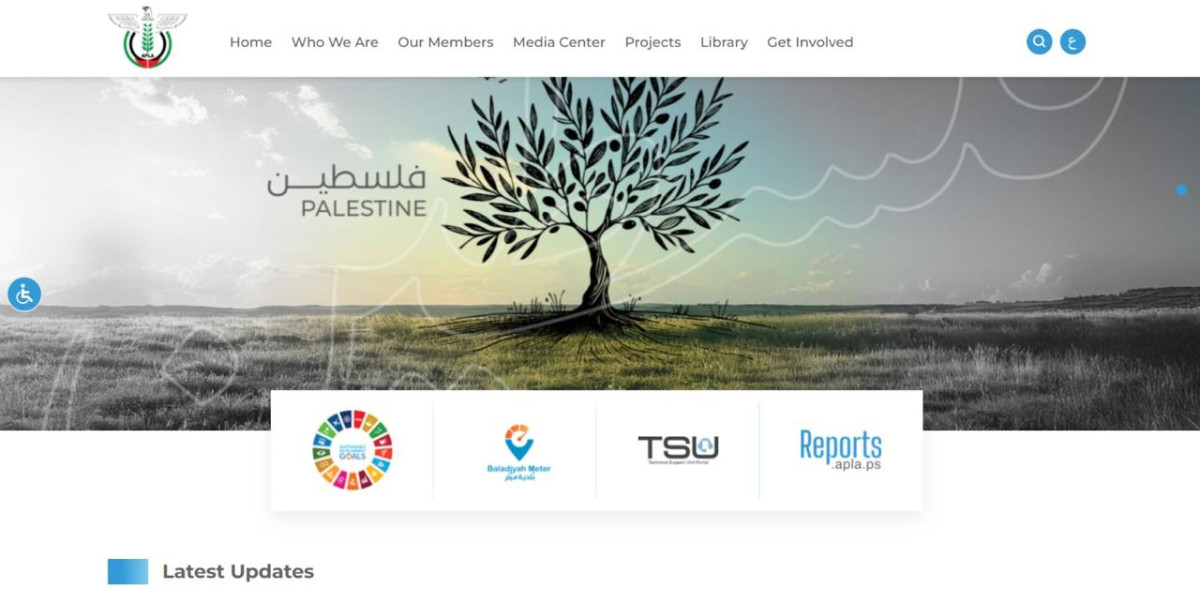
APLA launched the Digital Reports Portal (reports.apla.ps) as a specialized electronic platform to release various APLA publications and knowledge content on local government. The platform is an open knowledge tool that allows LGUs, partners and stakeholders to access reliable and up-to-date content that reflects developments in APLA and local government operations in Palestine. It contributes to promoting institutional documentation and knowledge exchange at national and international levels.
〡Upgrading APLA website
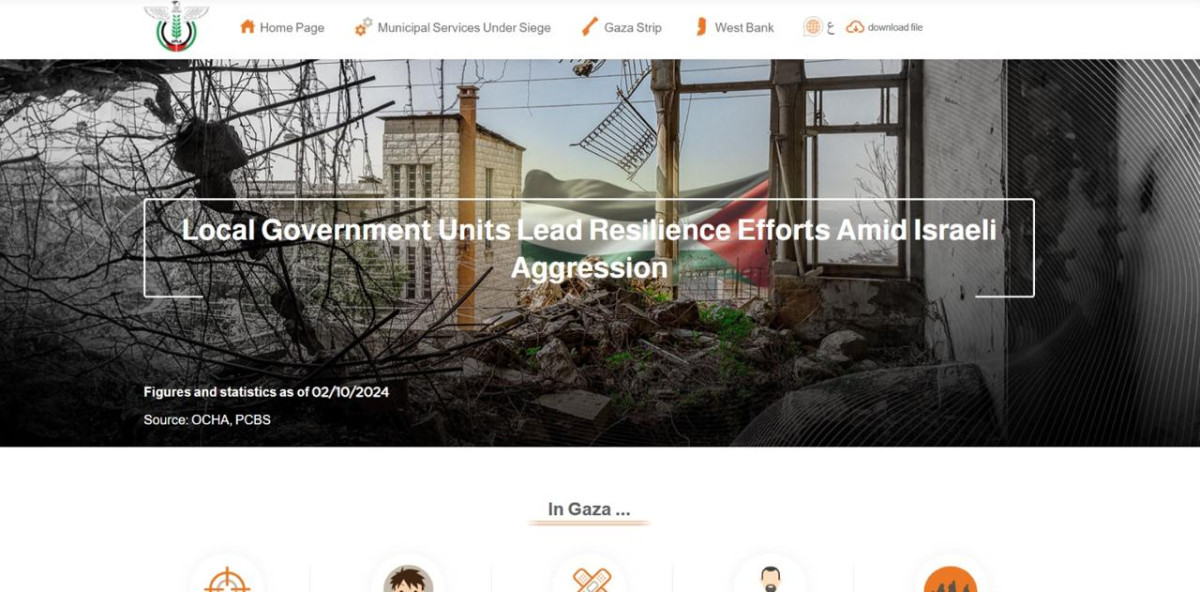
In response to APLA’s need for a more modern and effective digital interface, APLA initiated a full-scale revamp of its official website. This included improving the visual design, streamlining user experience, and organizing content in a way that enables visitors to have seamless access to information, services, and activities. The upgrade reflects APLA’s drive to improve institutional communication tools and strengthen its digital presence both locally and internationally.
〡SDGs Platform
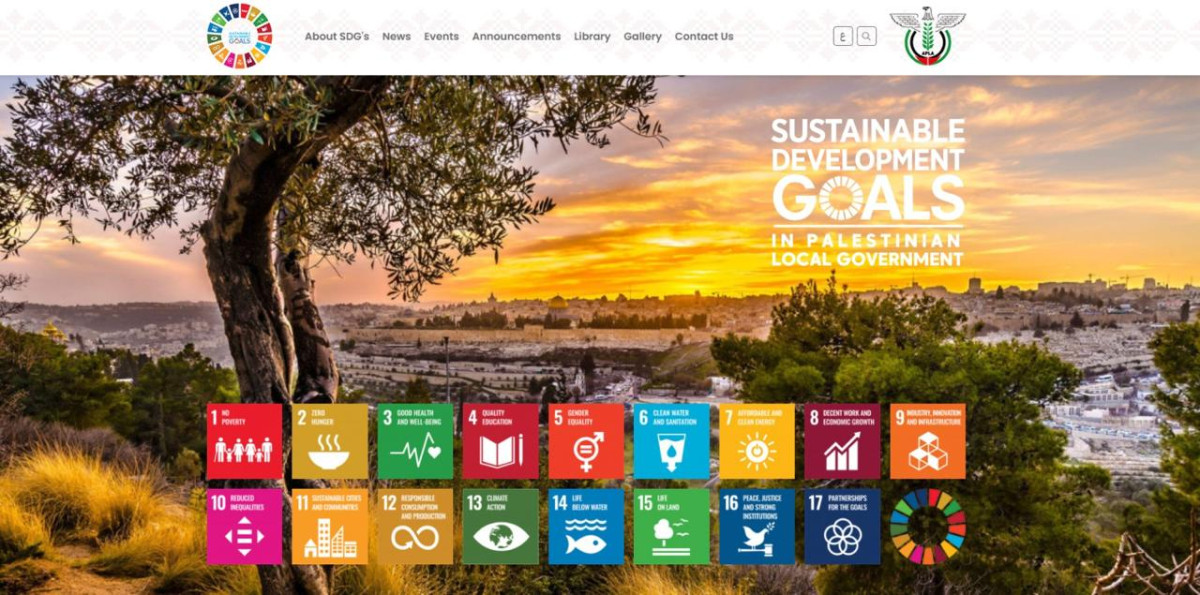
APLA continued to operate and update the SDGs platform as an interactive digital tool to monitor progress towards implementing the 2030 Agenda and promote community awareness of the SDGs at the national and local levels. The update included rolling out available indicators in a simplified manner and enabling users to track data on the LGU performance. It further incorporated innovative educational content, such as awareness games that target the youth and students to enhance their understanding of the role of local government in achieving sustainable development.
Participants: APLA staff - from different departments
Session themes:
- Introduction to AI
- Review key AI applications in marketing, content, planning, project management, translation, audiovisual production, and reporting
- Present over 50 AI tools with practical applications
- Highlight the importance of AI at the institutional level and improvement of operational quality

Participants: Executive staff
Training themes:
- Present and stress significance of SDGs
- Connect concepts to daily operations and enhance efficiency
Participants: Executive staff of the Technical and Legal Support Unit
Training themes:
- Understand key components of the portal and its structural design.
- Determine how to enable LGUs to access and use the portal effectively.
- Create discussion and interaction rooms
Participants: Abdul Mu’min Afana, Technical and Legal Affair Support Unit Director, and Abeer Hussein Gender Mainstreaming Coordinator
Organized by: UCLG-MEWA
Training themes:
- Promote sustainability and flexibility in local development.
- Strengthen social justice and equality
- Enhance governance and local financing.
Participant: Nadine Nakhleh, Communication and Advocacy Officer
Organised by: UCLG Learning in collaboration with UN-Habitat, at the World Urban Forum (WUF12)
Training themes:
- SDG-based local planning methodologies
- Module II tools within the Localization Programme
- Analyse successful international case studies and experiences
- Provide practical application through an interactive tool (15-minute neighbourhood)
- Integrate SDGs into local strategies and action plans

In addition to training sessions tailored to develop APLA executive staff, a number of APLA staff members took part in trainings implemented in the context of broader programmes, mainly targeting LGUs. This participation was part of APLA’s efforts to extend the advantages of training opportunities and strengthen in-house institutional knowledge.
Key trainings included:
- Introduction to SDGs Localization
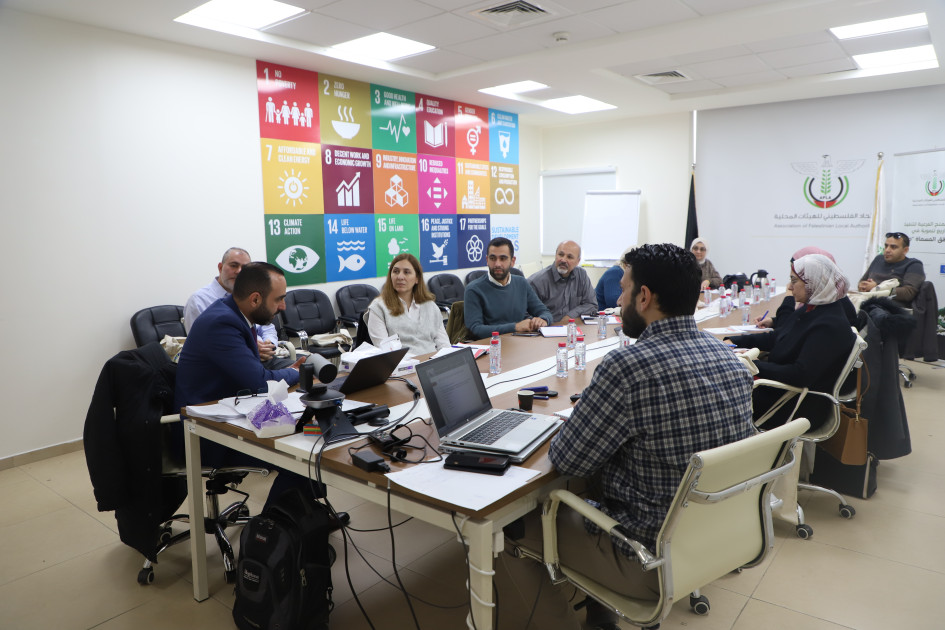
- Using AI tools in day-to-day operations
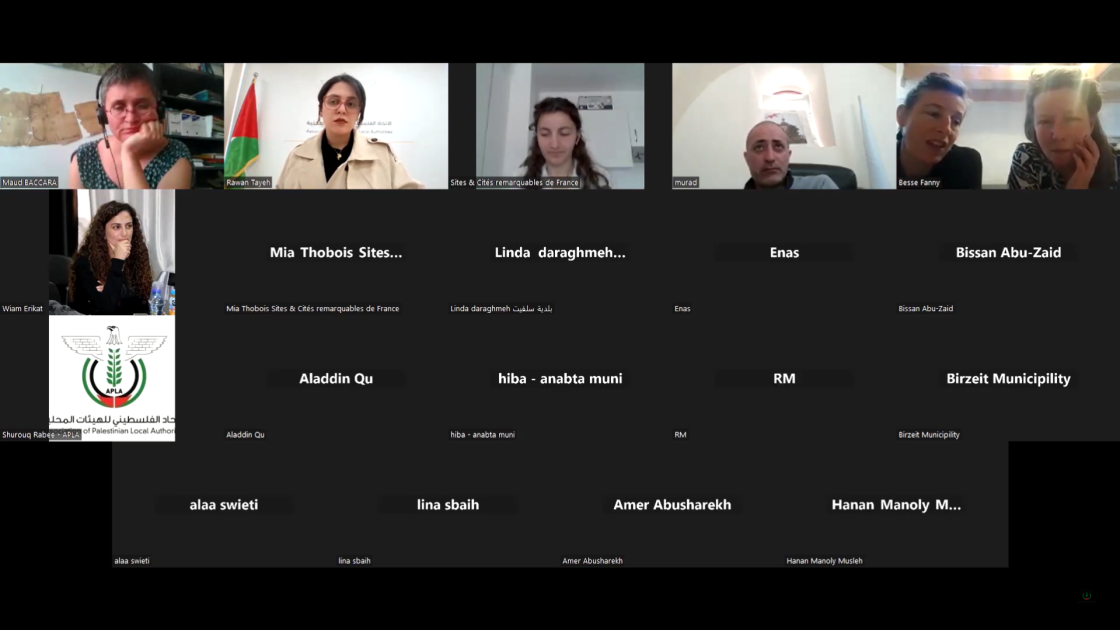
- Community engagement in heritage conservation
- Heritage conservation