Home Page
 Municipal services under siege
 Gaza Strip
 West Bank

In Gaza ...
In The West Bank ...
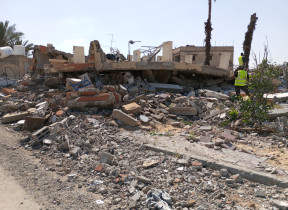
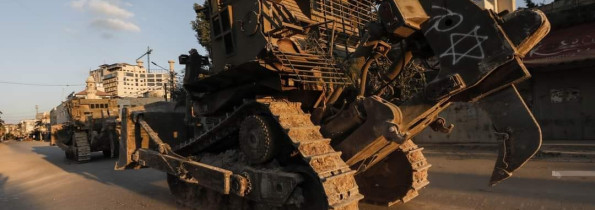
What is going on today encapsulates all episodes of the 76-year-long Israeli occupation of Palestine. It represents the culmination of eight decades of Israel’s tyranny, which has cost Palestinians dearly. Witnessing the loss of thousands of lives and large-scale destruction, it is clear that the occupation has now taken on new proportions that do not only impact citizens, but all sectors as well.
Gaza Municipalities in Confrontation of Spatial Destruction and Reshaping Geography

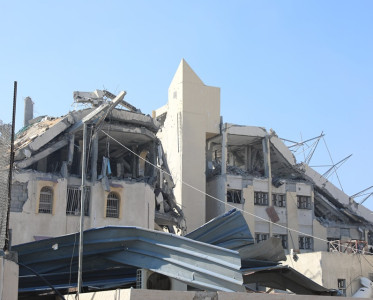
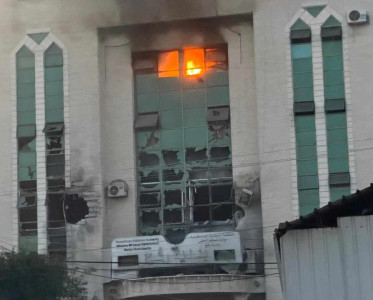
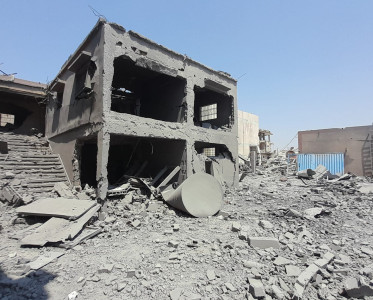
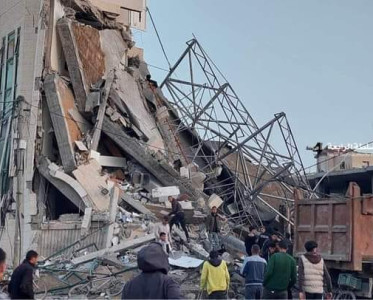
The targeting of municipal services is one facet of systematic assaults in all the wars launched by the Israeli occupying forces (IOF), which have not spared any aspect of life. During the 2023 war on Gaza, the IOF have committed genocide, unmatched in history, against Palestinians. Service facilities have been subject to countless attacks. A number of municipal structures and machineries, which serve citizens, have been destroyed. Attacks have resulted in the destruction of roads and most service infrastructure, including water tanks, wastewater treatment plants, and water wells. A large number of municipal staff were killed. At close intervals, the mayors of An-Nuseirat and Al-Maghazi were killed in Israeli airstrikes on their locations. All central administrative sectors, government bodies, civil society organizations and universities have been targeted. This is part of the occupation's efforts to restructure the administrative framework, as evidenced by the systematic targeting of key administrative sectors, institutions, government and civil headquarters, and universities.
The first stage of Israel’s plan has been completed, namely, spatial destruction and geographical engineering, including of homes and infrastructure. Now, Israel is finalizing the engineering of the demographic composition by targeting mukhtars, family representatives, community figures, and mayors, who serve as the emblems and authoritative references for local social cohesion.
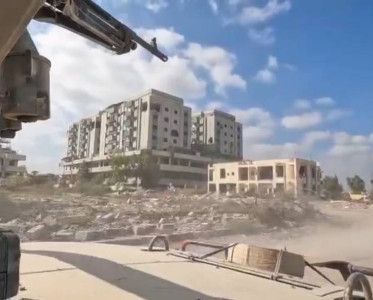
In an initial estimate, a joint report by the World Bank and United Nations (April 2024) assessed that infrastructure in Gaza sustained severe damage:
- Total damage: US$ 18.5 billion as of January 2024.
- Residential buildings: 72% of total damage.
- Service infrastructure: 19% (water, health, and education).
- Rubble: 26 million tonnes.
- Humanitarian impact: 75% of the population are displaced; more than 2 million are homeless; health and education systems collapsed.
- Health facilities: 84% destroyed; water and wastewater system is in a state of near-collapse.
- Energy infrastructure: Near-complete destruction of electricity grids and main roads.
Damages Inflicted Upon Gaza Strip

- Collect and transfer municipal solid waste to temporary collection points
- Provide waste collection services at shelters
- Coordinate with and provide needed support to member LGUs to ensure continued service provision
- Coordinate with international organisations and donors to ensure continued JSC service provision


Damage to the West Bank Since The Start of Israel's Aggression
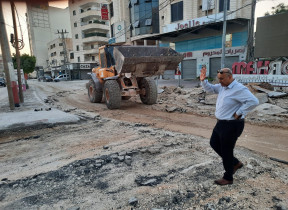
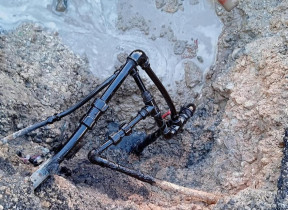
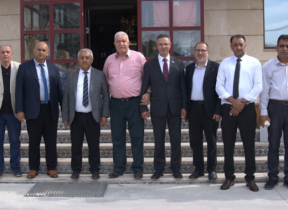
In northern West Bank, Jenin has gained centre stage in recent months. The Israeli occupying forces (IOF) have evoked scenes of the second Palestinian Intifada of 2002. At dawn on 28 August 2024, the IOF launched a “military operation,” considered to be the most extensive ever since. Supported by armoured and air forces, large numbers of IOF troops raided the Jenin city and stormed portions of the Jenin refugee camp, which lies within the boundaries of the Jenin Municipality. In particular, the IOF targeted infrastructure of the Jenin city and refugee camp. As a result, the IOF completely destroyed 32.3% of roads, 24.48% of the water grid, and 36.36% of sewerage networks (These figures are expected to increase given that the military campaign has not come to an end yet). In addition to communication and electricity cables, almost 70% of the streets have been partially destroyed in bulldozed areas across the city and refugee camp.
The enormous destruction has deeply impacted the lives of citizens in Jenin. Damaged water, sewerage and electricity networks have affected basic services and public health. Movement has been difficult due to demolished buildings, burned vehicles, and debris of destroyed streets. In total, the damage caused to the city’s infrastructure since the beginning of Israel’s attack on Gaza is estimated to amount to US$ 18,404,784.16 (as of 3 September 2024, with the amount expected to increase due to the ongoing aggression against the city and refugee camp).
It seemed that the Palestinian time stood still, but Jenin has put it back into circulation. With its teams and resources, the Jenin Municipality continues to stand firm, recognizing the critical role it has to play in rebuilding what has been destroyed by the IOF. At the forefront of actors, the municipality has provided response and worked around the clock to remove the rubble, restore basic services, and offer emergency support to citizens.
Roads and streets

Ongoing attacks have particularly targeted roads and streets in Jenin. Out of 141 km, the IOF have destroyed 45.627 km (or 32.3%) of the road network. This percentage may increase as a result of recurring acts of aggression against Jenin. Since 7 October, damage to roads has totalled US$ 10,873,579.24. This destruction occurs at a time when the city was already challenged by poor infrastructure. The average age of streets is 35 years. Due to persistent urbanisation, the city is in dire need of new roads.
In response, the Jenin Municipality took the initiative to rehabilitate destroyed roads and provide comprehensive maintenance in vital areas, including the Al-Hissan, Dabbet al-Ghabez, and Khallet as-Sohah areas. It also instructed teams to work on the Nablus Street in the Eastern Quarter, As-Sikka, Al-Jabiriyat and Ash-Sheikh Wassef areas. In cooperation with the Chamber of Commerce and local shopkeepers, the municipality gave priority to restoring the area around the Shaheed Omar Qadri Roundabout on the Nazareth Street. These efforts are not limited road maintenance and resurfacing, but also include rubble removal, pothole filling, and ensuring that these roads are resilient to the increasing pressure of normal traffic and ongoing aggression. The municipality has a clear commitment to retore the city roads and ensure safe and effective movement. This is of utmost importance for citizens’ day-to-day life and economic vitality in Jenin.
Water and sanitation systems

The destruction caused to roads and streets did not affect the asphalt layer only, but also destroyed water, sanitation and rainwater drainage networks. Totalling US$ 3,012,481.96, damage to these systems has exacerbated an already miserable situation. Prior to 7 October, Jenin had been struggling with a water loss rate of 53%, primarily due to the Israel’s destruction of water networks as well as old and dilapidated infrastructure. The most recent aggression against Jenin has brought this figure up to 60%, resulting in a severe water crisis. Enormous pressure has been placed on the old and fragile water system, causing recurrent cuts in the water supply and posing significant public health risks.
Recent events have also caused grave damage to the sanitation network, totalling about US$ 4,518,722.952. The IOF damaged approximately half (3.25 of 7 km) of the rainwater drainage system, creating an acute health and environmental crisis, public health hazards, and fertile breeding ground for epidemics. Hygienic conditions are not applied in wastewater disposal processes. Wastewater flows out to the surface, gathers in holes dug by the IOF, and might reach houses.
The Jenin Municipality is well aware of the seriousness of the situation. It has, therefore, placed the restoration of water and sanitation networks at the forefront of its priorities. Municipal water and sanitation teams work tirelessly, and often around the clock, to repair and rehabilitate damaged systems, restore main water pipelines, and ensure the population have access to clean water. Significant efforts have focused on areas such as the An-Naseem Roundabout, where sewer lines were severely damaged and caused public health risks. Following land‐levelling operations by Israeli bulldozers, the municipality repaired the main supply line from the As-Sa’adah well, the principal water main of the Jenin city and refugee camp.
Waste management

Israeli attacks have targeted waste management infrastructure. Since the onset of the aggression, 1,200 waste containers were destroyed. As a result, waste has accumulated on the streets and in neighbourhoods, posing public health risks to residential areas. The pile up of waste has attracted rodents and insects, increasing risk to infectious diseases and creating serious environmental challenges to the city population. Losses were close to US$ 485,874. In response, the Jenin municipality has taken rapid and decisive actions. Recognizing the need to preserve hygiene and public health, the municipality established a specialized committee for waste management to supervise the collection and disposal of waste throughout Jenin. Despite shortages, the committee improved the condition of available waste containers and began to develop plans to purchase new ones. The health department also made concerted pest control efforts by applying insecticides and rodenticides across the city. These actions are critical to prevent the spread of diseases and avoid further deterioration of living conditions in Jenin.
Market regulation and economic support

The Jenin Municipality took proactive steps to support the local economy, which was seriously compromised by escalating raids on the city. It focused on regulating markets and addressing encroachments that hamper commercial activities and pedestrian movement. To this avail, vendor stalls were installed to ensure that sidewalks are clear. The municipality works towards keeping the city market functional even in these difficult circumstances. This initiative is particularly important in a situation of economic duress suffered by many households. It helps support local companies and provides access to essential goods.
Mobilizing international support

In addition to these immediate responses, the Jenin Municipality has worked actively with international partners to mobilize support to the city reconstruction and recovery efforts. It has worked hard to raise awareness among international allies on adverse effects of the IOF on Jenin. This included calls for reopening the Jalama checkpoint, a vital economic lifeline to the area, and for international intervention to put a stop to ongoing attacks.
Since the aggression started, the Jenin Municipality has received international diplomats, including the British and German consuls, presented on the destruction, and discussed possible ways for international aid. The municipality strengthened relations with the Netherlands Government in pursuit of increased cooperation in areas of common interest. It urged the international community to take immediate action and put an end to the aggression against Gaza and across the West Bank.
Amid these successive challenges and crises and despite IOF attempts to undermine it and disrupt its operations, the Jenin Municipality underscores its firm commitment to provide support, relief, and response to the local community needs. With unfailing determination, municipal teams are on the ground, struggling to repair destroyed roads, rebuild vital water and wastewater systems, and restore essential services. These actions do not only reflect physical reconstruction, but they also entail a bold statement of the national responsibility taken up by the municipality in leading the current stage, which has overburdened the government, institutions and individuals. The municipality plays a critical role in maintaining community safety, protecting the national project, and promoting citizens’ resilience on their land.
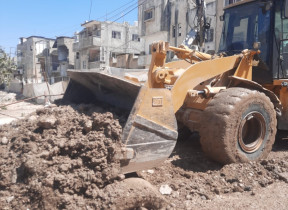
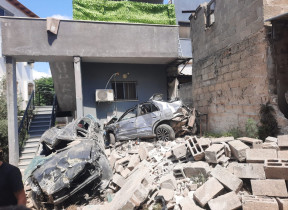
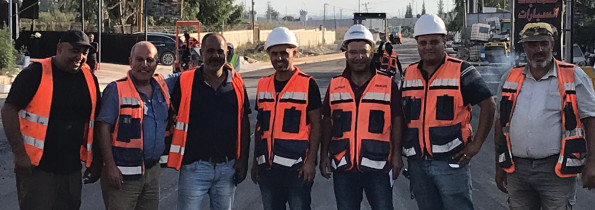
Tulkarm has not been spared from the horrors across the West Bank. It has been a frontline of confrontation with the Israeli aggression. What is going on here replicates Israel’s war on Gaza. The same destructive mindset decides to besiege and destroy the city, killing dozens of citizens and leaving hundreds others with various wounds. The Israeli occupying forces (IOF) have systematically destroyed infrastructure, private and public property to put pressure on citizens and disrupt functions of Tulkarm Municipality as a service provider.
Since the first day of the war on Gaza and West Bank cities, the municipality has risen to the occasion, declared a state of extreme emergency, and mobilized all resources to empower and alleviate suffering of the local community. Under a tight siege, the city has been subject to over 22 raids and surrounded by closed checkpoints. This full siege aims to strangle the city’s economy and prevent residents from being in touch with their relatives inside the Green Line. Targeting agricultural land, the IOF levelled dozens of dunums of crop fields adjacent to the Apartheid Wall, causing severe losses to farmers. The commercial crossing has also been closed, depriving thousands of workers from accessing their workplaces and affecting thousands of families.
In the face of these daunting challenges, guided by the municipal council, the municipality has used all capabilities to lessen the burden on citizens and confront recurrent destruction of vital infrastructure, including electricity, water and sanitation networks. It took necessary action promptly. Financial loss resulting from the latest aggression, particularly in the Nur Shams refugee camp, was estimated NIS 15 million. This involved the destruction of power generators, transformers, water and sanitation grids, agricultural land, and public and private property. Not only do the IOF deliberately destroy property, but they also attempt to create a humanitarian crisis to drive citizens out of their homes and deprive them of their most basic rights. Cutting off water supplies to homes, schools and hospitals, damaging roads and streets, and destroying electricity and communication networks adversely impact citizens’ daily life and aggravate their suffering.
Municipality’s role in repairing infrastructure damage resulting from Israeli raids
Damages on The Electricity Network

In Tulkarm, the IOF deliberately targeted the already overstretched electricity grid. In July 2024, the Council of Ministers announced an end to the electricity crisis in the Tulkarm governorate by installing and operating a connection line between the Tulkarm and Sarra power stations. Soon, however, the crisis tragically deteriorated. The Israeli aggression cut off power supply to thousands of homes and institutions, directly affecting citizens’ lives. In addition to obstructing businesses, power outage hampered essential service delivery, exacerbated the suffering of patients and older persons, and inflicted huge economic losses, particularly on electricity-dependent sectors.
Despite unrelenting efforts made by the municipality in collaboration with local and international partners to repair damage and restore the power supply, challenges continue to be significant. The cost of grid repairs is a hight as US$ 1,366,420. Israeli policies obstruct municipal efforts and measures to maintain basic service provision and respond to emerging public needs.
Damages on Road, Water, And Sanitation Networks

In Tulkarm, the scenario of destruction has been repeated over and over again, especially in Tulkarm and Nur Shams refugee camps. The IOF bulldozers ravaged infrastructure, dug as deep as half a metre beneath the surface of streets, and caused widespread destruction to water and sanitation networks in at least 12 sites. The destruction created a humanitarian catastrophe, cutting off water supplies to the local community, mixing potable water with wastewater, fuelling the flow of wastewater into streets and homes, and creating a breeding ground for infection and disease. The crisis was exacerbated by rainfall, with floods causing a wider spread of contaminated water and posing a serious public health risk. Initial losses resulting from destruction are estimated at US$ 901,000 to the water network, US$ 2,769,900 to the sanitation network, and US$ 513,000 to public health and the environment.
These practices and violations required that the municipality make strenuous efforts around the clock to repair main water networks, ensure that citizens have access to potable water, and maintain sewer lines to reduce negative health and environmental impacts. However, as soon as municipal staff manage to restore networks, the IOF destroy them once more in every raid. For example, soon after municipal staff were done with restoring main water networks following a recent incursion, the IOF came back and destroyed them again.
Damages on Private and Public Property

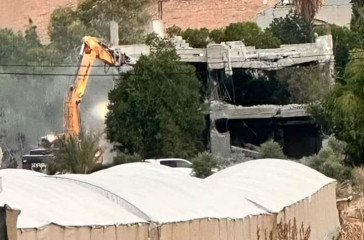
The municipality has long worked towards improving the landscape by paving roads, planting tree, and enhancing infrastructure in both the city and the refugee camps. Nevertheless, IOF bulldozers have turned the area into a battlefield. The municipality faces a significant challenge to remove the rubble and repair what can be repaired to facilitate citizens’ life. For instance, an Israeli raid on Tulkarm refugee camp caused widespread destruction, including 160 vehicles and 200 commercial premises. While 1,979 homes sustained partial damage, another 52 were demolished. In this area alone, damage was estimated at NIS 14 million.